
When you drop anchor, you do everything right.
You set it properly. You reverse on it. You make sure it’s holding.
And for a while, everything feels solid.
Then the wind shifts.
Or a squall comes through.
Or you wake up at 2am and look out the window, wondering:
Are we still holding, or are we slowly drifting?
That’s exactly why anchor alarms exist.
But not all anchor alarms work in the same way, and understanding the difference is what actually matters.
What is An Anchor Alarm?
- recording your boat’s GPS position
- setting a movement radius
- triggering an alert if that radius is exceeded
Anchor Alarm Apps: The Most Common Choice
For most boaters, the first step into anchor monitoring is a smartphone app.
There are dozens available across iOS and Android, all built around the same core idea.
Popular Anchor Alarm Apps
Some of the most commonly used include:
- Anchor Alarm
- Anchor Watch
- SailGrib
- Anchor Pro
While each app looks slightly different, they all follow the same basic process:
- mark your boat’s position
- define a safety radius
- alert you if the boat leaves that zone
There are now dozens of variations of these apps, many with strong ratings and loyal users.
Why Anchor Alarm Apps Are So Popular
It’s easy to see why apps are widely used.
They’re simple, accessible, and require no extra equipment.
Easy Setup
You install the app, drop anchor, and activate the alarm. That’s it.
Low Cost
Many apps are free or cost very little compared to onboard electronics.
Always Available
If you have your phone, you have an anchor alarm.
For many situations, especially short stays or calm conditions, this is more than enough.
The Problem with GPS-Based Anchor Alarms
This is where things start to break down.
All of these apps, along with most onboard systems, rely on the same thing:
your boat’s GPS position.
But your boat is not fixed when anchored.
Boats Naturally Move at Anchor
Even with a perfectly set anchor, your boat will:
- swing with the wind
- shift with tide
- move as the chain tightens and relaxes
This movement is completely normal.
It’s also why many boaters constantly second-guess what they’re seeing.
As covered in:
How to Tell If Your Anchor Is Dragging
You can move quite a distance without actually dragging.
False Alarms vs Missed Alarms
Because of this, GPS-based systems face a constant trade-off:
- Set a small radius → frequent false alarms
- Set a large radius → delayed or missed warnings
In many cases, you only realise something is wrong after you’ve already moved a significant distance.
Real-World Friction
On top of that, apps introduce practical issues:
- battery drain overnight
- phones losing signal or accuracy
- background apps being restricted
- alarms that don’t wake you properly
None of these are dealbreakers on their own.
But combined, they reduce confidence.
Built-In Anchor Alarms (Chartplotters and AIS)
Many boats also use anchor alarms built into onboard systems.
Brands like:
offer anchor watch features directly within their chartplotters.
Some AIS systems may also include similar functionality.
The Advantage
- integrated into your main navigation system
- generally more stable than apps
- always powered when the system is on
The Same Core Limitation
Despite being more robust, these systems still rely on:
the boat’s position, not the anchor.
Which means they are still affected by:
- swinging
- chain length changes
- wind shifts
Why Anchors Actually Drag
It’s important to understand that anchor dragging isn’t rare.
Even when everything is done correctly, anchors can drag due to:
- wind direction changes
- seabed conditions
- insufficient scope
- anchor resetting or failing to re-set
This is covered in more detail here:
A Smarter Way to Monitor Your Anchor
All traditional anchor alarms focus on the same thing:
THE BOAT.
But the boat is supposed to move.
The real question has, and will always be:
Is the anchor moving?
Monitoring the Anchor Instead of the Boat
A newer approach focuses on tracking the anchor itself.
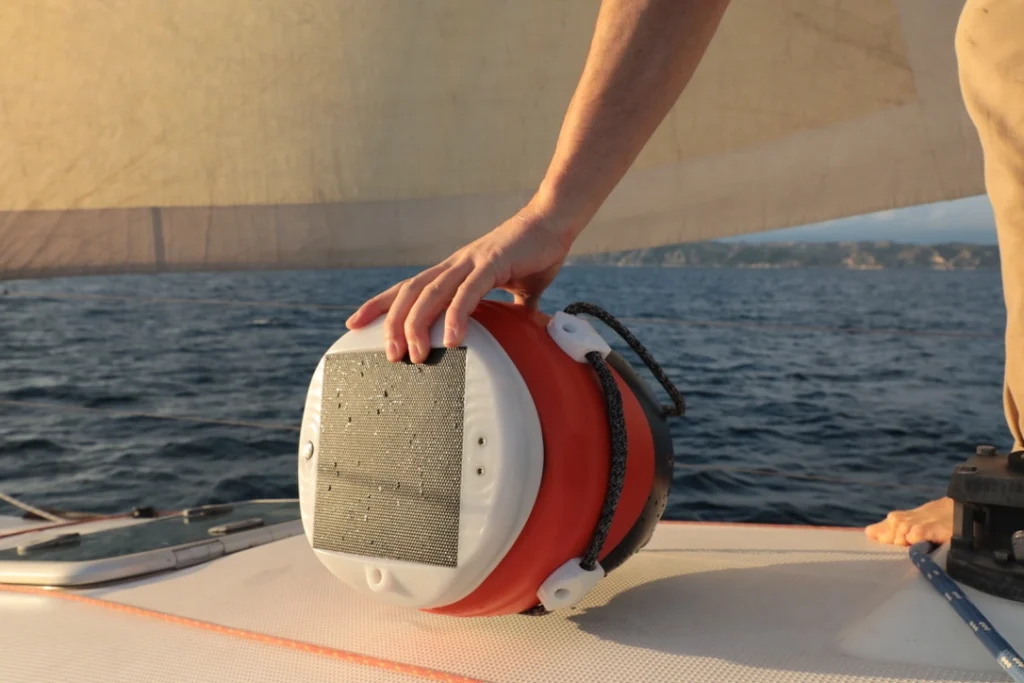
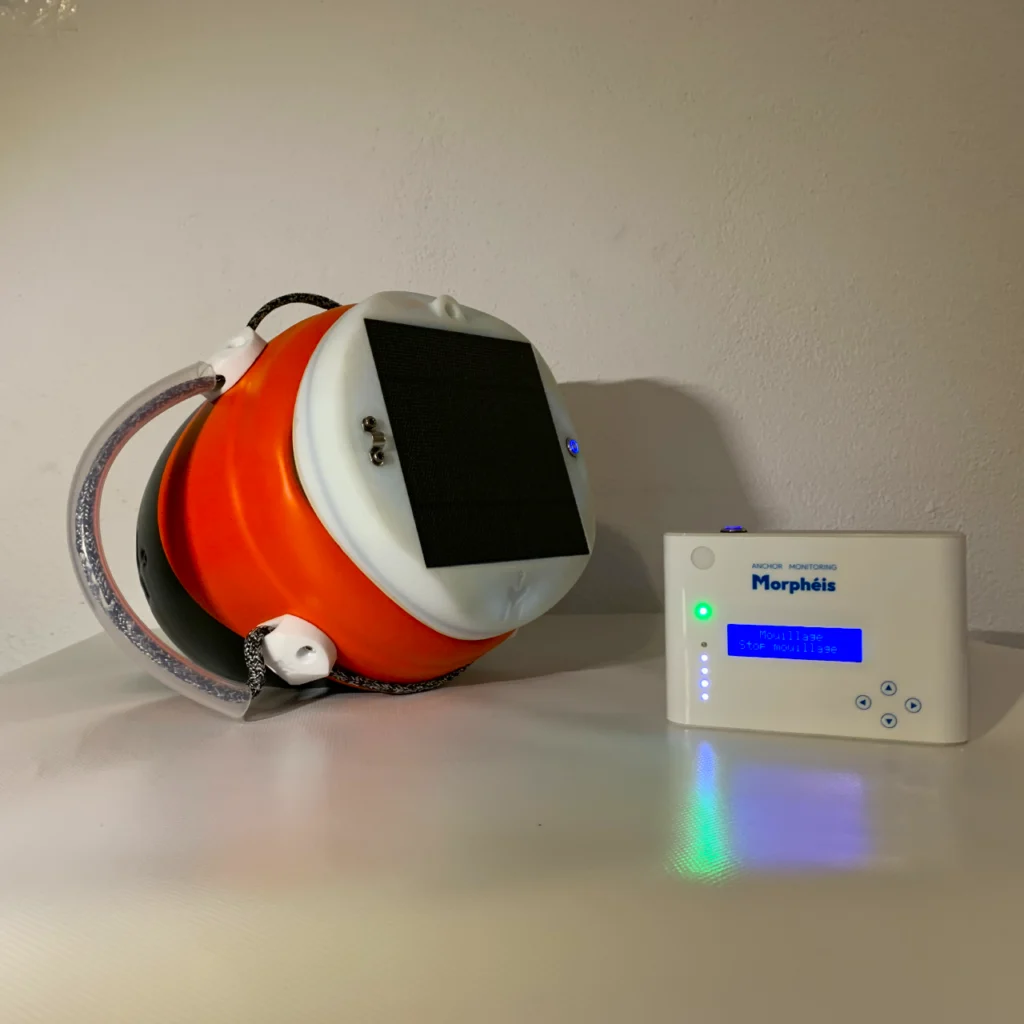
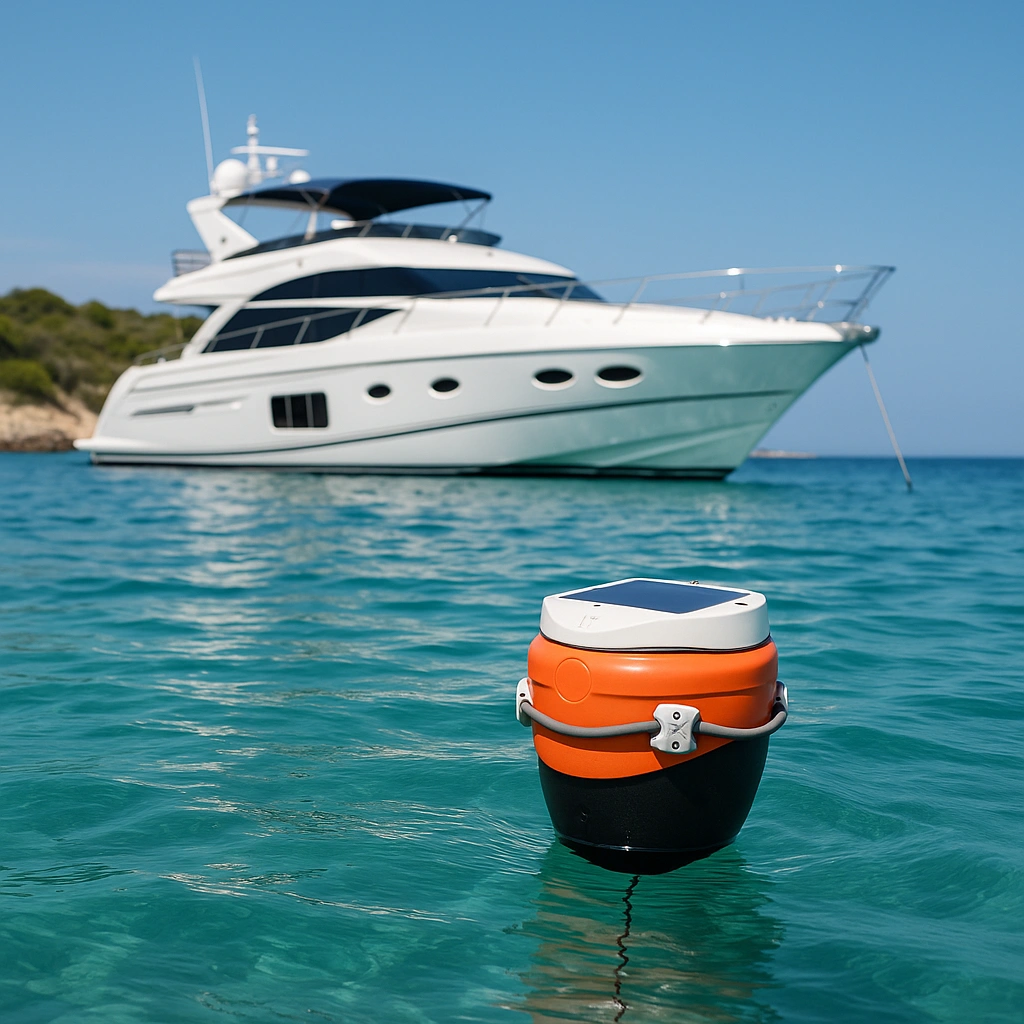
The Morpheis smart anchor buoy, developed by Mooring Solution, works differently.
Instead of monitoring the boat, it sits directly above the anchor and tracks its position on the seabed.
If the anchor begins to move, the system sends an alert immediately.
Because it’s tracking the anchor rather than the boat:
- normal swinging doesn’t trigger false alarms
- you detect movement earlier
- you remove the guesswork
You can learn more about how it works here:
Choosing the Best Anchor Alarm for Your Boat
There isn’t a single “best” option for everyone.
It depends on how and where you anchor.
Anchor Alarm Apps
Best for:
- casual use
- short stays
- calm conditions
Chartplotters and AIS Systems
Best for:
- boats with full onboard electronics
- integrated navigation setups
Anchor-Based Monitoring Systems
Best for:
- overnight anchoring
- changing conditions
- anyone who wants early, reliable alerts