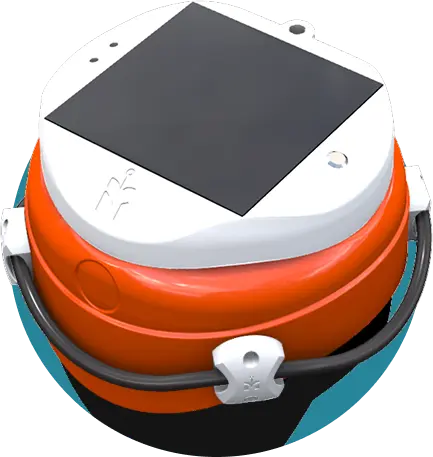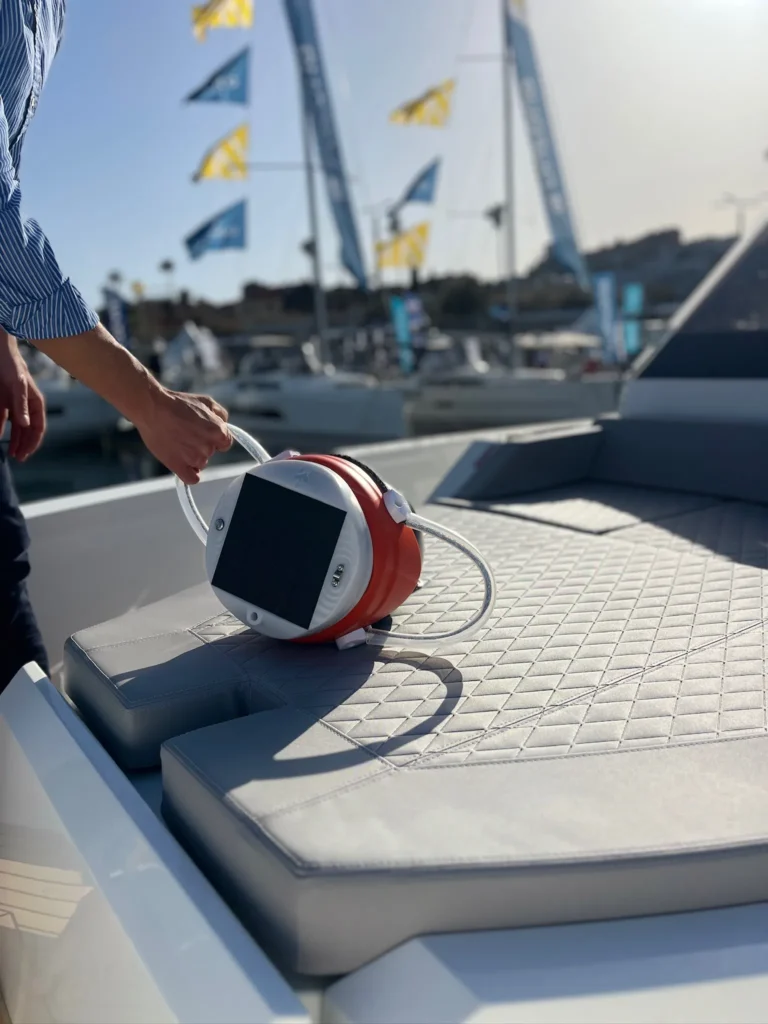

Made by boaters, For boaters.
Two engineers, one shared problem, and a commitment to build the most reliable anchor-watch system afloat.
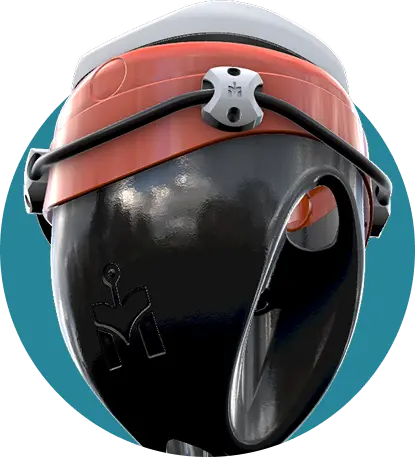
At Morphéis, we design equipment we trust to keep watch on our own boats.
What started as a frustration became an engineering challenge, and ultimately a product built to eliminate uncertainty on the water. This is our story.
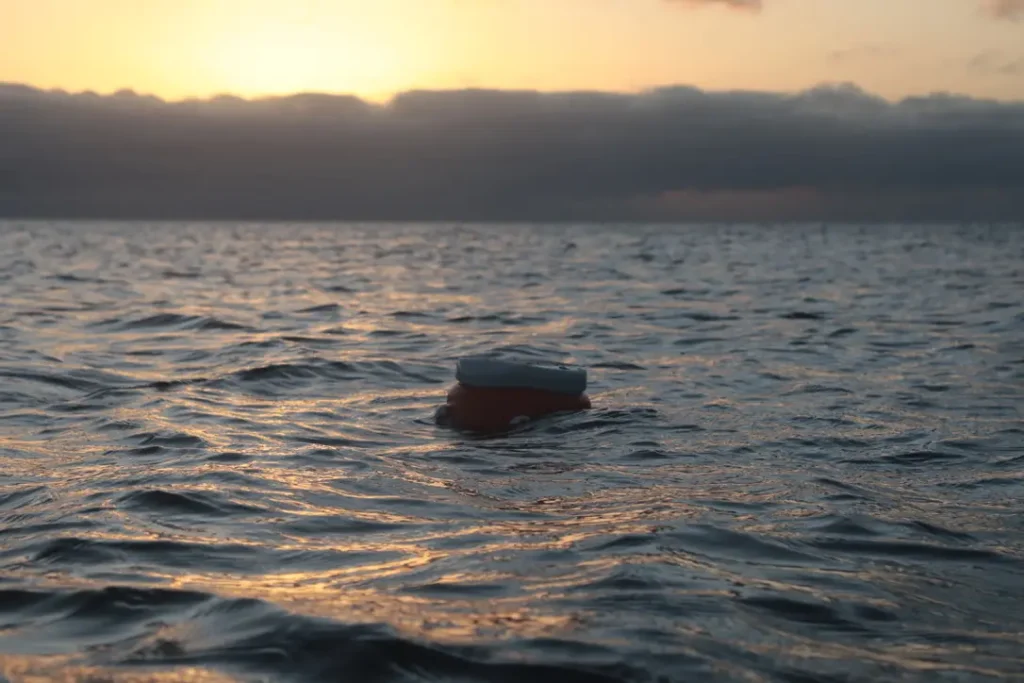
The night it changed.
In the summer of 2022, while anchored for the night, the boat Louis and Émile were aboard began to drag. They recovered the situation safely, but the experience exposed a simple truth.
There was no reliable way to detect or prevent anchor dragging in real-world conditions.
At the time, Émile was working in economic data analysis and Louis was engineering on offshore projects, both based between École Centrale and engineering roles at sea. What began as a conversation quickly became a focused engineering problem.
The question was not how to build a better alarm – but how to remove uncertainty from anchoring altogether.
Meet the founders.
Two sailing friends turned engineers, on a mission to enhance comfort and safety at sea.
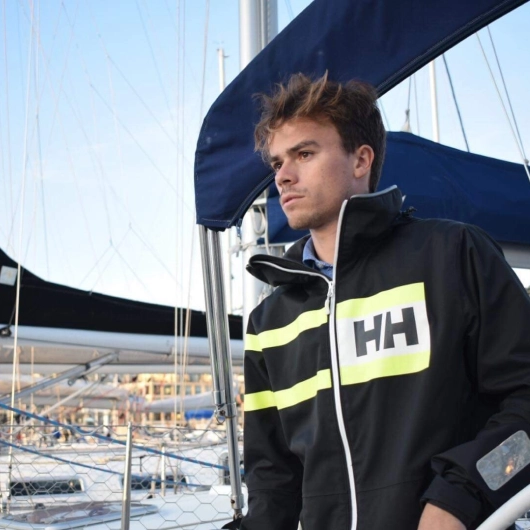
Emile
— Electronics & Software
Emile
— Electronics & Software- Former world-class 29er sailor
- Designer of the full electronics architecture and software intelligence behind Morphéis
- Combines racing-level on-water experience with deep technical capability
- Leads system logic, calibration, battery optimisation, GPS modelling, and firmware reliability
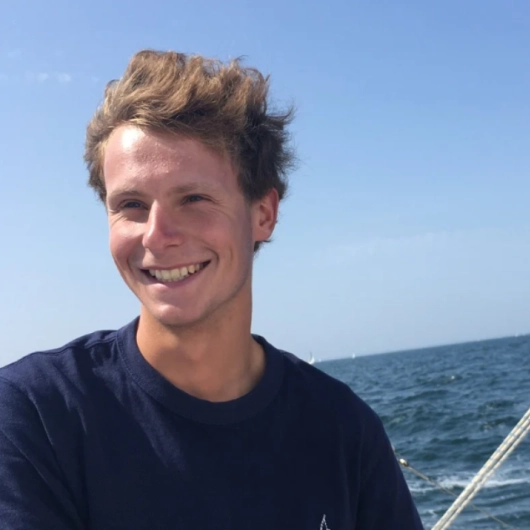
Louis
— Mechanical Engineering
Louis
— Mechanical Engineering- Engineer working on IMOCA Vendée Globe boats prior to Morphéis
- Responsible for structural design, mechanical systems, materials choice, and durability engineering
- Built Morphéis to withstand long-term, real-world anchoring across variable sea states
- Specialises in designing components that must perform under extreme load and fatigue
Evenings, weekends, and a growing obsession.
For over a year, Morphéis was built around the margins of their day jobs. Testing sessions after work. Hardware iterations in shared workshops. Prototypes assembled by hand. Firmware rewritten countless times.
Improvement wasn’t theoretical — it came from real anchoring scenarios, uncomfortable nights, and repeated field failures that forced the design to evolve. Every weakness uncovered at sea became a requirement for the next version.
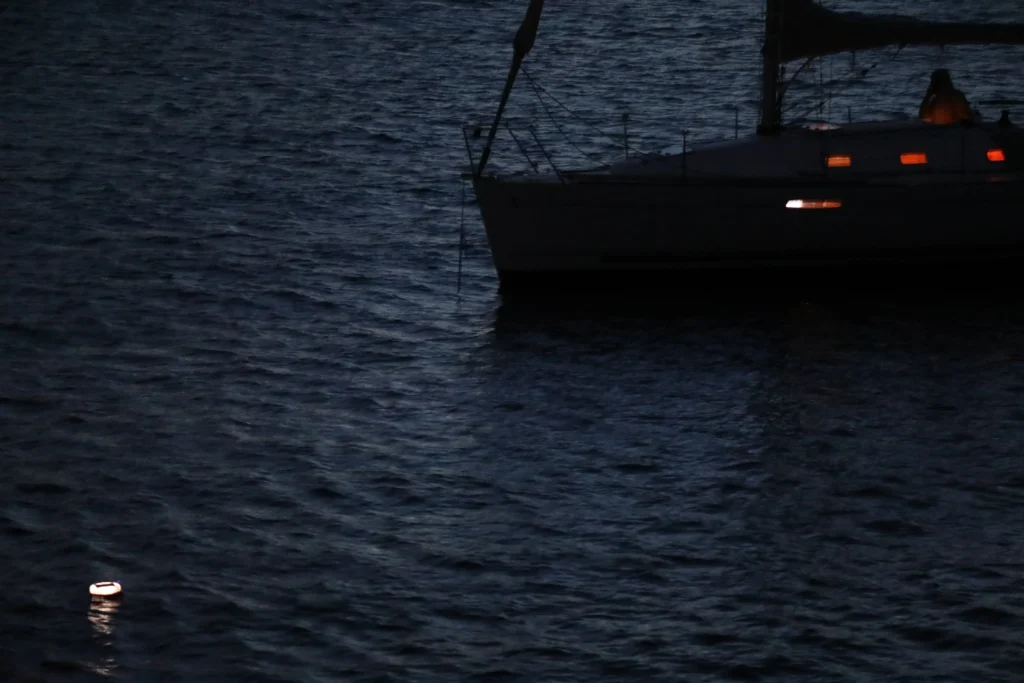
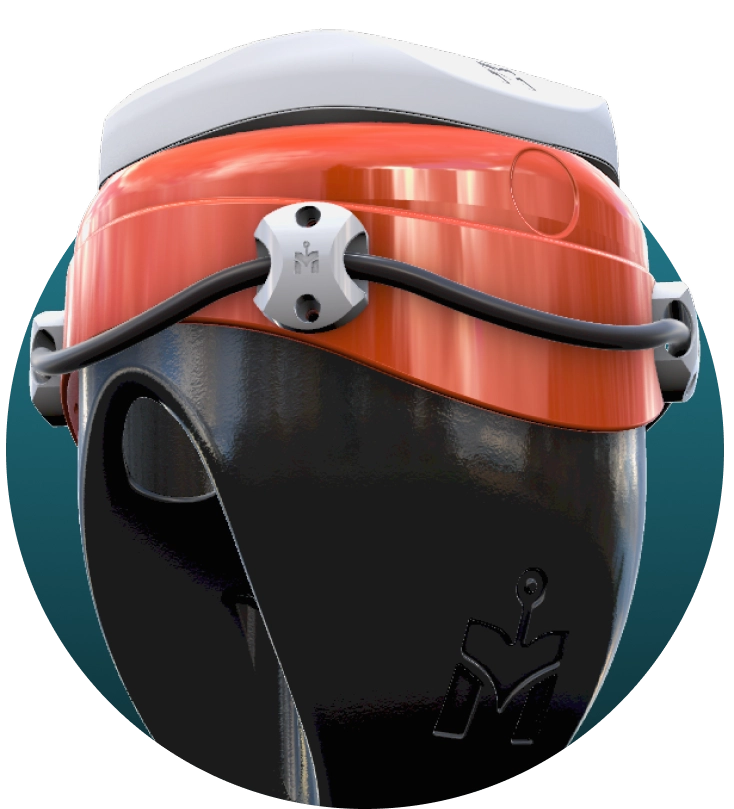
Version 1
The first generation
Version One shipped quietly, without fanfare. It was placed with early adopters, skippers, and friends across different coastlines.
The objective wasn’t scale.
It was validation:
- Battery performance
- GPS reliability
- Drift modelling
- Real-world user feedback
This year of real-world operation confirmed what worked – and exposed what needed to be rebuilt from the ground up.
Version 2
A new standard in anchor safety
January 2026 marks the launch of Version Two – a complete engineering refinement.
Every component has been upgraded: electronics, enclosure design, precision calibration, buoy dynamics, attachment systems, and energy management.
V2 is not an iteration.
It is the product the founders always intended to build once the data, failures, and field experience were in hand.
It is the most polished, most reliable version yet – and the foundation for everything that follows.