
How Much Anchor Chain Should You Let Out? A Practical Guide to Anchor Scope
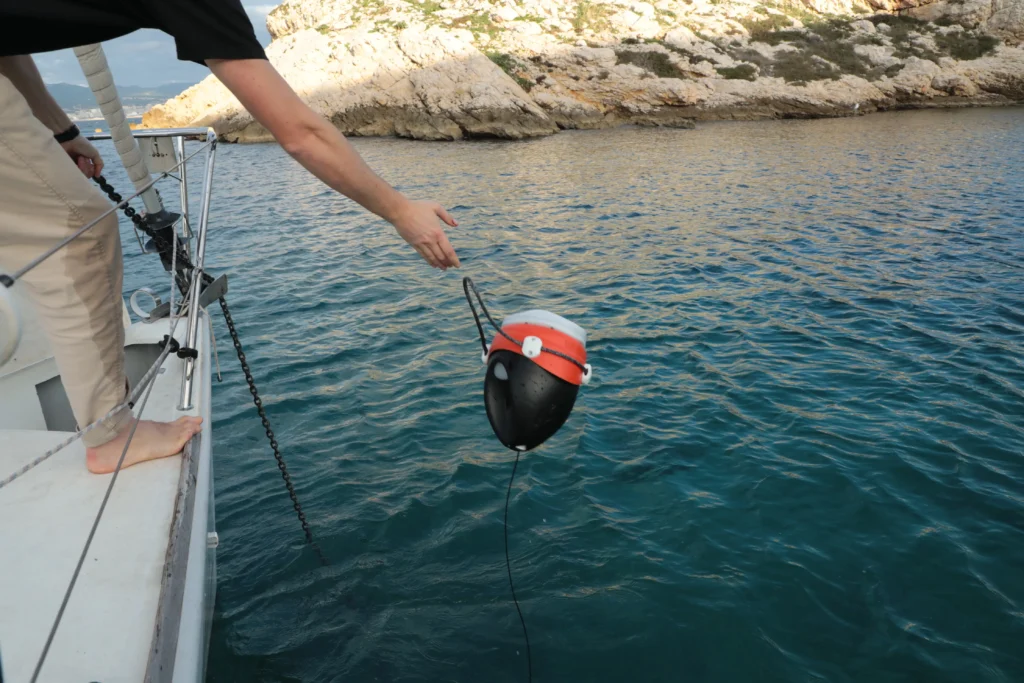
Most boaters know the basic rule: let out enough chain so the anchor can dig in properly. But in real life, especially in crowded anchorages or deep Mediterranean bays, the decision is not always simple.
How to Anchor in the Mediterranean: Common Mistakes Boaters Make

Anchoring in the Mediterranean may look easy, but hidden challenges like tricky seabeds, shifting winds, and crowded bays can catch boaters off guard. This guide reveals the most common mistakes—and how to avoid them—so you can anchor with confidence and enjoy stress-free cruising.
How to Sleep Better at Anchor (Without Constantly Checking)

Sleeping better at anchor comes down to confidence in your setup and systems. When you know your position is being monitored and your anchor is holding, you stop second-guessing every sound or shift. The right approach lets you rest fully—instead of constantly waking to check.
How to Anchor Safely Overnight: A Step-by-Step Guide for Boaters
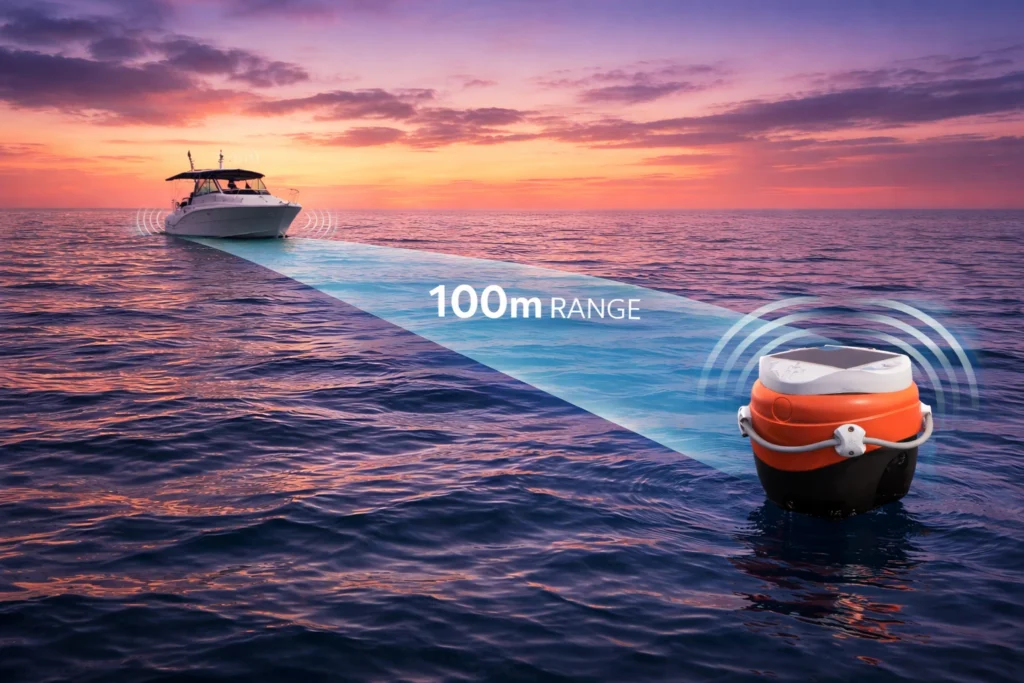
Spend the night on the water with confidence by learning how to anchor safely overnight. This guide walks boaters through essential steps—from choosing the right anchoring spot to ensuring your anchor holds through wind and tide changes—so you can enjoy a peaceful night without worrying about drifting.
The Complete Boat Anchoring Setup: Essential Gear for Every Boater
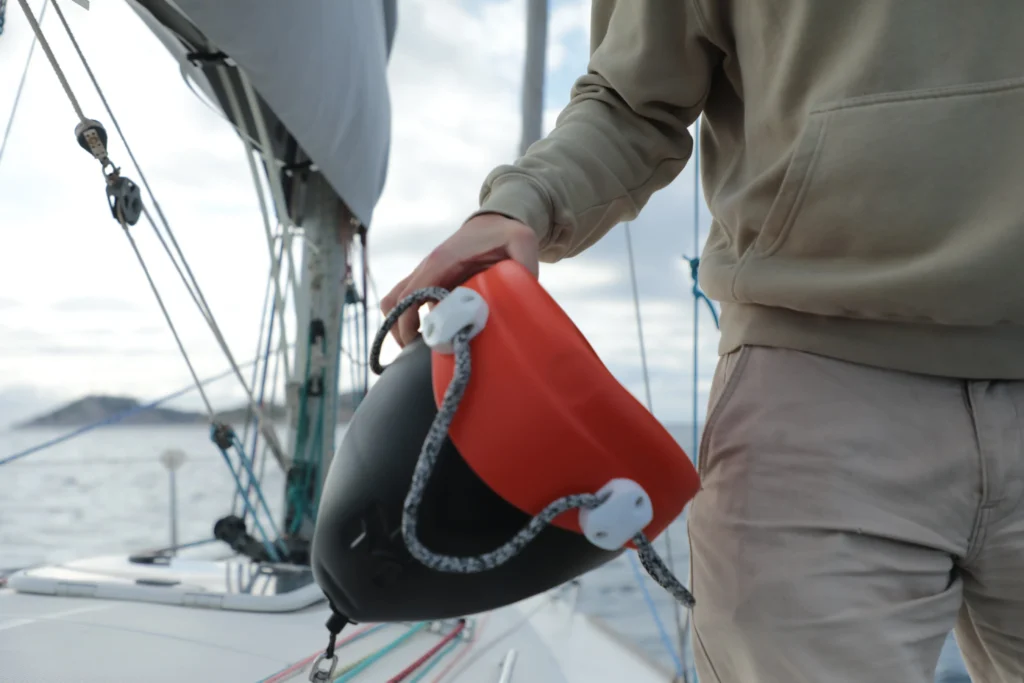
A reliable boat anchoring setup is essential for safety, stability, and peace of mind on the water. This guide explores the key components of an effective anchoring system—from anchors and chain to shock absorption and modern monitoring tools—and how they work together to keep your boat securely in place. Whether cruising coastal waters or anchoring overnight, the right setup makes all the difference.
How to Tell If Your Anchor Is Dragging (Before It Becomes a Problem)
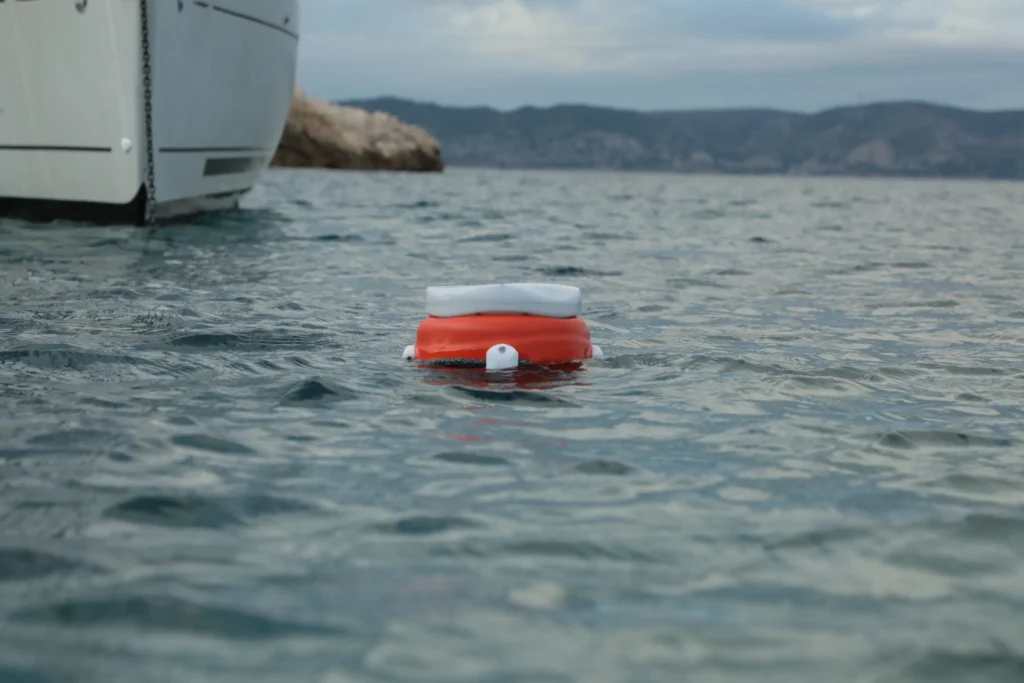
Spotting anchor dragging early is the difference between a peaceful night and a midnight emergency. By recognizing the 5 signs of anchor dragging—from the rhythmic vibration of a jumping chain to shifting transit lines—you can take action before your vessel drifts into danger. Don’t wait for the GPS to scream; learn the physical cues that prove your hook has lost its hold.
The 7 Common Causes of Anchor Dragging Every Boater Should Know
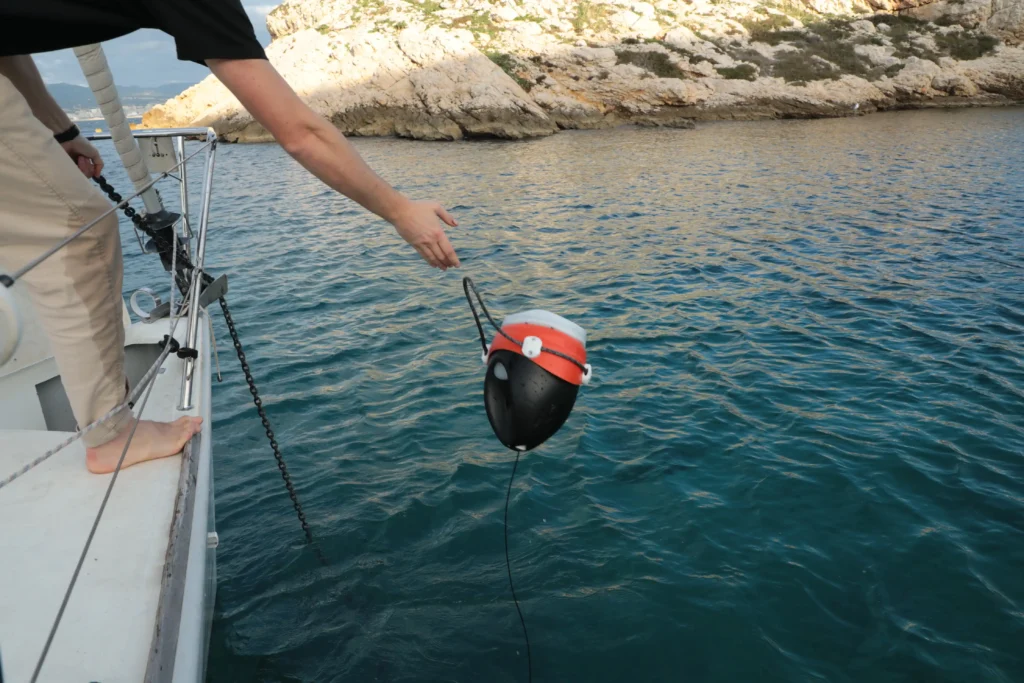
To ensure a peaceful night on the water, every boater must master the 7 common causes of anchor dragging and how to detect or prevent it. This guide will help every boater be informed.
Why Every Boater Needs an Anchor Alarm
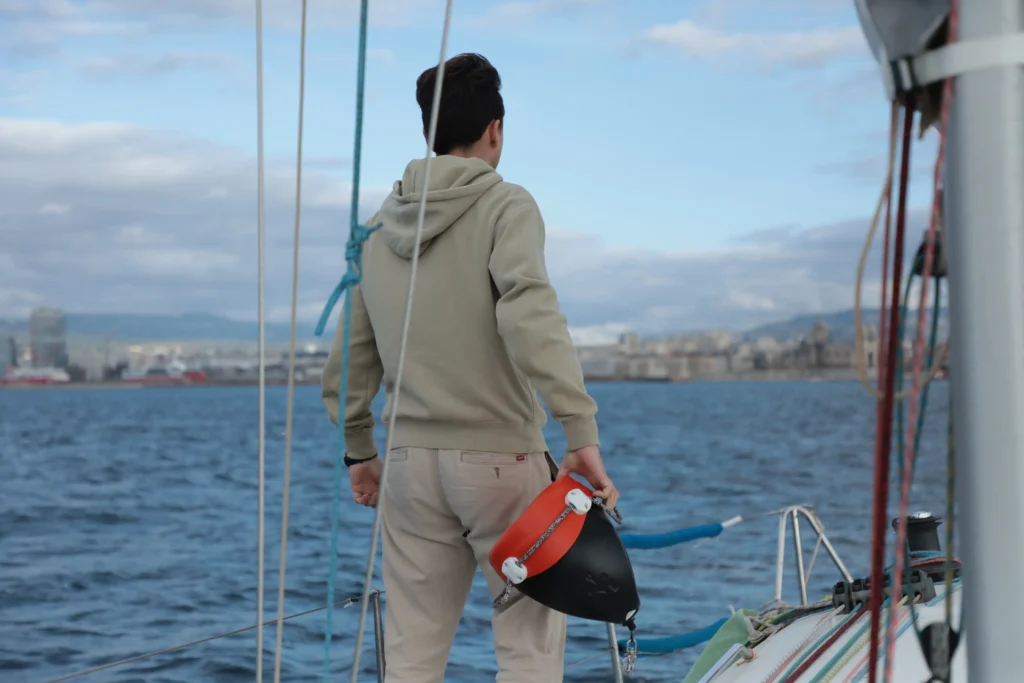
An anchor alarm should be a boater’s ultimate peace of mind, yet most sailors end up silencing them in frustration. The problem isn’t the technology—it’s that most alarms monitor where your boat is floating rather than whether your anchor is actually holding. True security requires a system that can distinguish between a peaceful midnight swing and a dangerous drag.
