
The Reality of Anchoring Overnight
At first, you relax.
Then the thoughts start creeping in.
- Has the wind picked up?
- What was that noise?
- Are we closer to shore than we were?
- Is that boat drifting… or is it just swinging?
You check your position.
Everything looks fine.
Ten minutes later, you check again.
Then again.
And before you know it, you’re not really sleeping at all.
You’re just waiting.
Why is Sleeping at Anchor so Difficult
Even experienced boaters deal with this.
It’s not a lack of skill.
It’s uncertainty.
Anchoring is one of the few situations where:
- everything can be set up perfectly
- conditions can change completely
- and you often don’t know until it’s already happening
As covered in:
Why Anchors Drag (Even When Set Properly)
Dragging doesn’t always happen because of a mistake.
It often happens because conditions shift.
What Actually Causes The Stress
It’s not just the idea of dragging.
It’s the not knowing.
Most boaters rely on a mix of checks:
- looking at fixed points on land
- watching nearby boats
- checking GPS position
- using an anchor alarm app
But none of these give complete confidence.
Visual Checks
Looking at shore or nearby boats works…
Until:
- visibility drops at night
- other boats start moving
- you lose your reference points
GPS and Anchor Alarm Apps
Apps can help, but they come with their own issues.
As explained in:
- your boat naturally swings
- GPS position constantly changes
- alarms can trigger too early or too late
So you end up:
- adjusting the radius
- checking the app repeatedly
- trusting it… but not fully
The Result
You never fully switch off.
You stay in a half-alert state all night.
What Good Sleep at Anchor Actually Requires
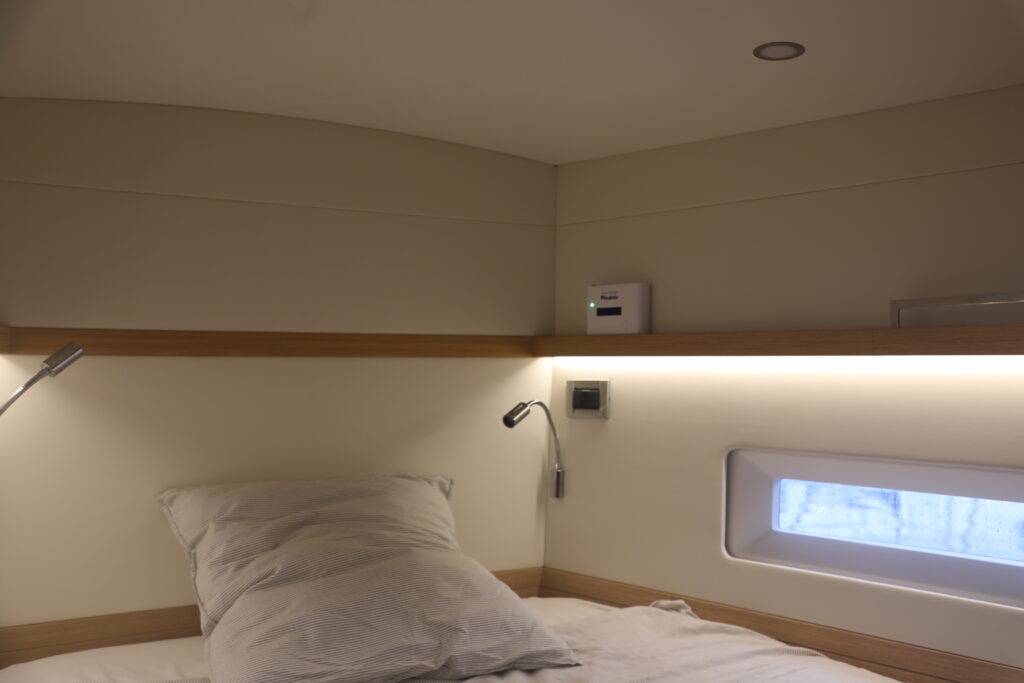
If you strip it back, there are only two things you need to sleep properly:
1. Confidence your anchor is holding
2. Immediate warning if it isn’t
That’s it.
Everything else is secondary.
The Problem With Most Setups
Most setups don’t give you both.
They either:
- give you too many alerts (false alarms)
- or not enough clarity (uncertain data)
So you compensate by:
- checking more often
- staying lightly awake
- never fully relaxing
How to Actually Sleep Better at Anchor
There are a few practical things you can do immediately.
1. Set Your Anchor Properly (Every Time)
This sounds obvious, but it’s the foundation.
- ensure proper scope
- reverse firmly to set
- confirm it’s holding before settling
If you’re unsure, read:
2. Choose Your Anchorage Carefully
Look for:
- good holding ground
- protection from forecast wind shifts
- enough space around you
The fewer variables, the better your sleep.
3. Reduce the Number of “Checks”
This is where most people go wrong.
Checking constantly doesn’t reduce stress.
It increases it.
You end up training your brain to stay alert.
4. Use an Alarm System You Actually Trust
This is the key shift.
If you don’t trust your system, you won’t sleep.
It doesn’t matter how advanced it is.
Why Trust Is So Hard to Achieve
Most anchor alarms monitor the boat.
But the boat moves all the time.
So you’re constantly interpreting:
- is this normal movement?
- or are we actually dragging?
That grey area is what keeps you awake.
Removing The Guesswork Completely
The only way to remove that stress is simple:
stop tracking the boat — track the anchor.
A Different Approach
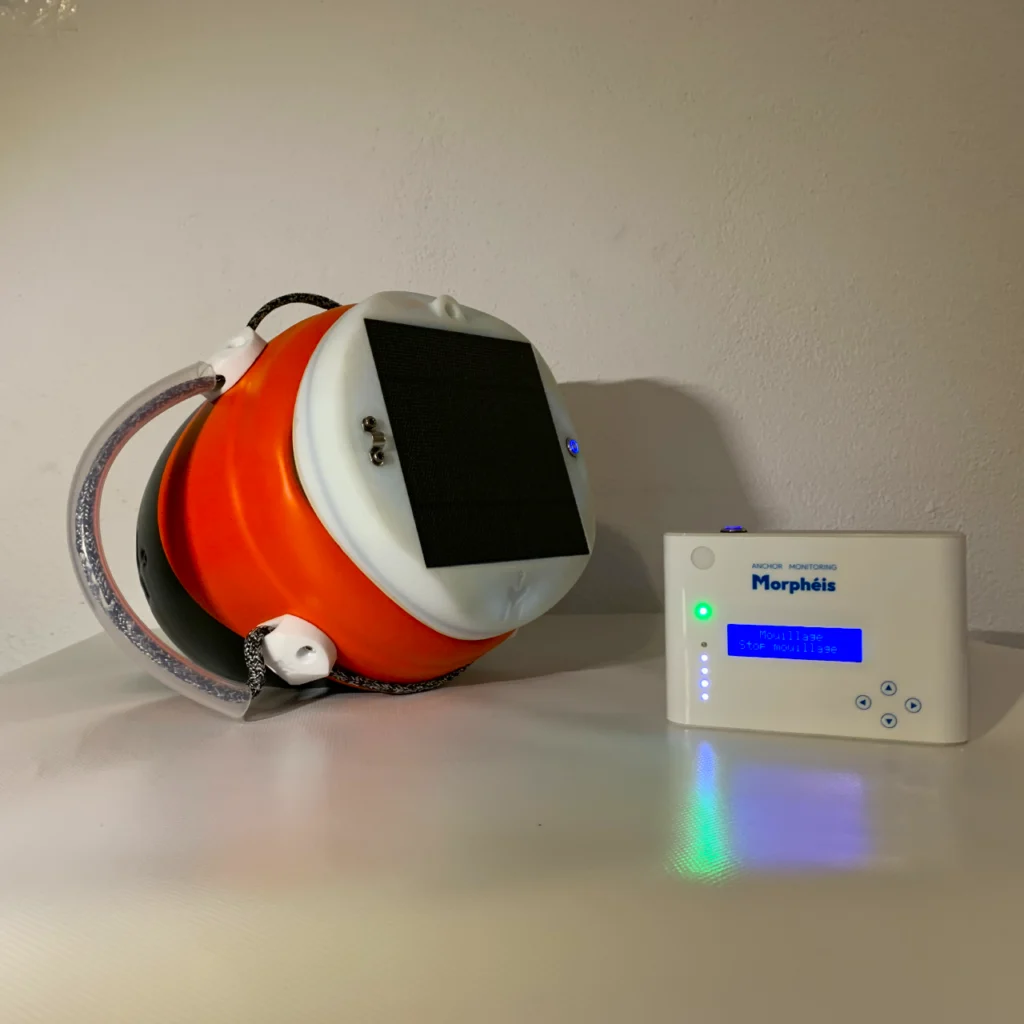
The Morpheis smart anchor buoy, developed by Mooring Solution, takes a different approach.
Instead of relying on boat position, it tracks the anchor directly on the seabed.
That means:
- no false alarms from swinging
- no guessing based on movement
- immediate alerts when the anchor actually shifts
You’re not interpreting data.
You’re reacting to a clear signal.
What Are Those Changes
Instead of:
- checking your position every 20 minutes
- watching other boats
- second-guessing your setup
You can:
- go to sleep
- trust the system
- know you’ll be alerted immediately if something changes
