
How to Anchor Safely Overnight: A Step-by-Step Guide for Boaters
Few experiences in boating are as peaceful as spending the night at anchor.
A quiet bay, calm water, and the sound of waves against the hull can make anchoring one of the most enjoyable parts of cruising. But for many boaters, anchoring overnight also brings a lingering concern.
Is the anchor really holding?
Wind shifts, tidal changes, and seabed conditions can all affect how well an anchor grips the bottom. If the anchor begins to drag, the boat may slowly drift without anyone noticing until it becomes a serious problem.
Learning how to anchor safely overnight is one of the most important skills any boater can develop. In this guide, we will walk through the key steps that experienced sailors use to anchor securely and sleep with confidence.
7 Key Steps to Anchor Safely & Securely
Step 1: Choose the Right Anchorage
Before dropping the anchor, the first step is selecting a safe location. When approaching a bay or anchorage, consider several important factors:
Wind Direction
Boats at anchor typically point into the wind or current, whichever is stronger. This determines how your boat will sit once the anchor is set.
Approaching the anchoring area slowly while facing into the wind helps maintain control of the vessel during anchor deployment.
Water Depth
Depth determines how much anchor chain you will need to deploy. Always check your chart plotter or depth sounder before dropping the anchor.
Seabed Type
Anchors hold best in sand, mud, or firm clay. Rocky or heavily weeded seabeds can make it difficult for anchors to dig in properly.
Swinging Room
Every boat anchored nearby will swing in an arc as the wind changes. Make sure there is enough space between boats to allow for this movement.
Once you have chosen a suitable spot, you are ready to deploy the anchor.
Step 2: Position the Boat Before Dropping the Anchor
Proper positioning is essential for a successful anchor set.
When you are ready to drop the anchor, bring the boat to a complete stop while facing into the wind. This ensures that the anchor will fall directly beneath the bow rather than being dragged sideways during deployment.
Avoid moving forward or reversing while lowering the anchor.
When anchoring in deeper water, it can take several seconds for the anchor to reach the seabed. A useful rule of thumb is that the anchor may take roughly one second per metre of depth to reach the bottom.
For example:
- In 10 metres of water, it may take around 10-15 seconds for the anchor to reach the seabed.
If the boat is moving during this time, the anchor will land somewhere different from where you intended.
Remaining stationary while the anchor drops ensures it lands exactly where you expect.
Step 3: Slowly Pay Out the Anchor Chain
Once the anchor reaches the seabed, begin paying out chain as the boat slowly drifts backward.
Allow the wind or current to move the boat naturally while releasing chain from the windlass.
The amount of chain deployed is known as the anchor scope.
Scope refers to the ratio between the length of chain deployed and the water depth.
Correct scope is essential for allowing the anchor to lie flat and dig properly into the seabed.
Step 4: Use the Correct Anchor Scope
The amount of chain you deploy depends on conditions.
A commonly used guideline is:
Calm Conditions | 3:1 or 4:1 scope
For every metre of water depth, deploy three to four metres of chain.
Example:
10 metres depth → 30–40 metres of chain.
This may be acceptable in very calm weather or crowded anchorages.
Moderate Wind | 5:1 scope
In moderate conditions, deploying five metres of chain for every metre of water depth provides significantly better holding power.
Example:
10 metres depth → 50 metres of chain.
Strong Wind or Overnight Anchoring
7:1 scope or more
In strong winds or when anchoring overnight, many experienced sailors prefer a 7:1 scope or greater.
The more chain that lies on the seabed, the better the anchor can maintain its grip.
Of course, this assumes the anchor itself is appropriately sized for the boat.
Step 5: Set the Anchor Properly
After deploying the desired amount of chain, it is time to set the anchor.
This is done by gently reversing the boat while gradually increasing engine power.
The goal is to pull the anchor horizontally along the seabed so it digs in and holds firmly.
You will usually feel the anchor catch and stop the boat’s movement.
Watching the chain angle at the bow can also provide clues. When the anchor is set correctly, the chain will tighten and remain steady.
Once the anchor is set, many sailors shut off the engine and allow the boat to settle into its natural swing.
Step 6: Confirm the Anchor Is Holding
Even after setting the anchor, uncertainty often remains.
From the deck of the boat, it is difficult to know exactly what the anchor is doing beneath the water.
- Is it fully buried?
- Is it slowly dragging across the seabed?
- Will it hold if the wind increases overnight?
This uncertainty is one of the most stressful aspects of anchoring.
Traditional solutions involve using a GPS anchor alarm, which alerts you if the boat moves outside a defined circle.
However, these systems monitor the boat’s position, not the anchor itself.
Because boats naturally swing around the anchor while drifting with wind or current, GPS alarms often trigger false alerts.
Many boaters eventually stop using them altogether.
Step 7: Monitor the Anchor Directly
A more reliable approach is to monitor the anchor itself rather than the boat.
This is where modern anchor monitoring technology comes into play.
At Mooring Solution, we recommend adding one simple step to your anchoring routine.
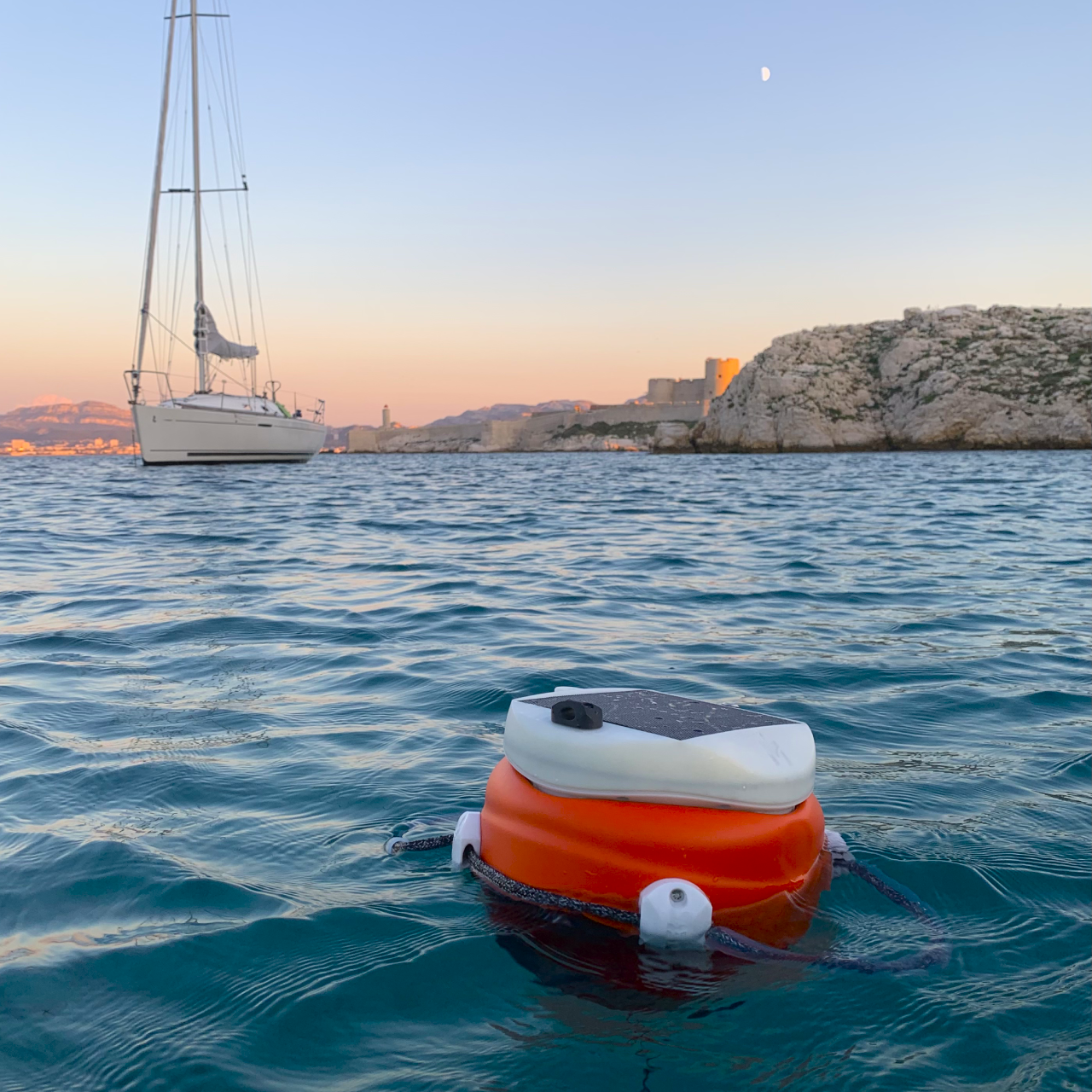
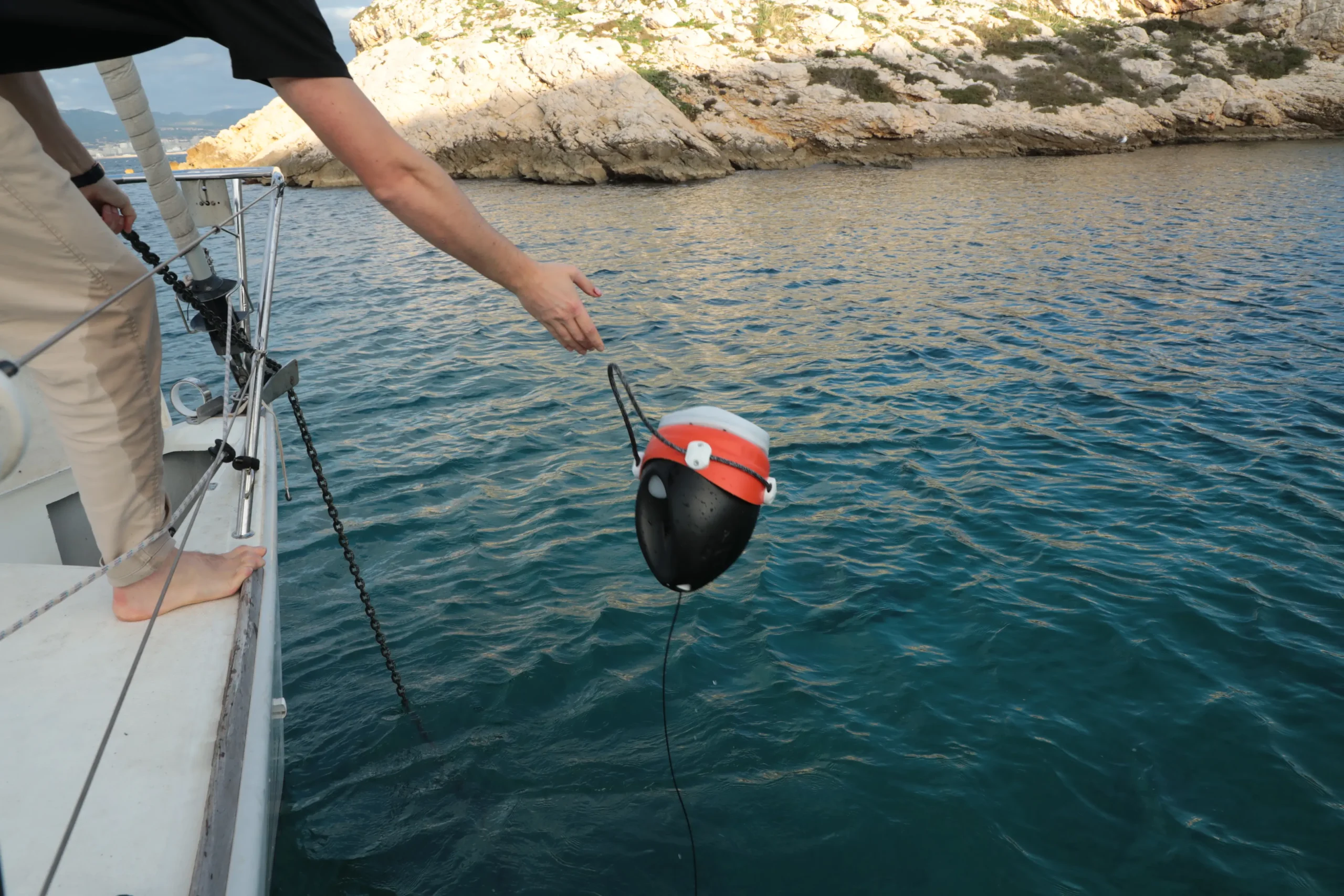
Before lowering the anchor, attach the Morphéis smart anchor buoy to the anchor line and place it in the water.
Once the anchor is dropped and the chain is deployed, the buoy remains directly above the anchor and begins tracking its position.
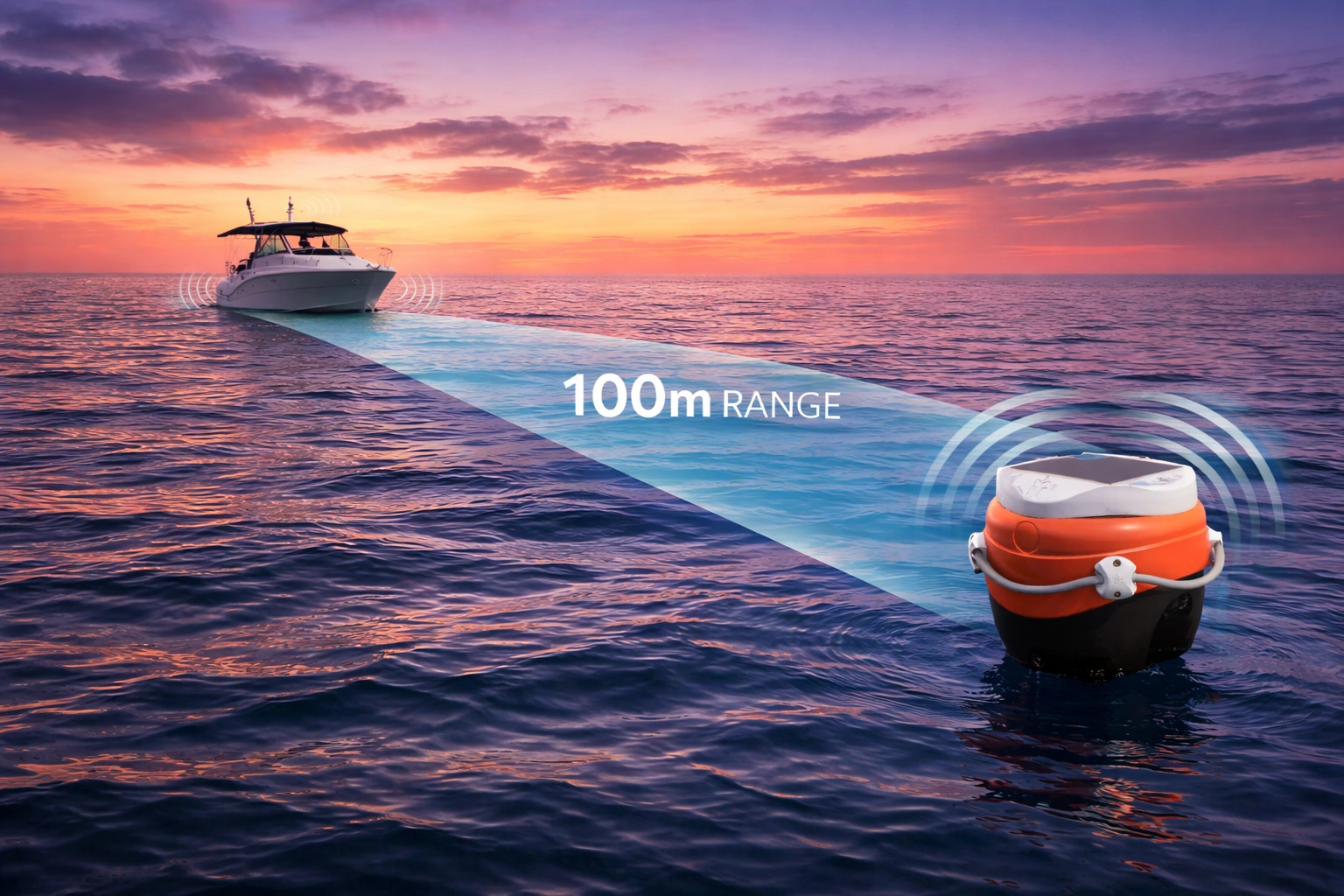
The system automatically connects to the onboard receiver and continuously monitors whether the anchor moves across the seabed.
If the anchor remains set, there are no alerts.
If the anchor begins to drag, the system immediately notifies you.
You can learn more about how the system works here: How Morphéis Works
Why Monitoring the Anchor Changes Everything
Adding a smart anchor buoy to your anchoring routine provides several advantages.
Immediate Detection of Anchor Movement
Instead of waiting for the boat to drift outside a GPS radius, the system detects movement at the anchor itself.
No False Alarms from Boat Swing
Because the system tracks the anchor rather than the boat, normal swinging motion does not trigger unnecessary alerts.
Greater Peace of Mind
Knowing that the anchor is being monitored allows you to relax and enjoy your time at anchor.
Whether you are hosting friends onboard, enjoying dinner ashore, or sleeping through the night, the system provides continuous monitoring in the background.
Enjoy Anchoring Without Stress
Anchoring safely overnight is a skill that improves with experience.
Choosing the right anchorage, deploying the correct amount of chain, and setting the anchor properly all contribute to a secure setup.
But even with perfect technique, uncertainty often remains because the anchor itself is hidden beneath the water.
By adding modern anchor monitoring technology to your anchoring routine, boaters can finally remove much of that uncertainty.
With the anchor itself being monitored, you can relax, enjoy the evening, and sleep peacefully knowing you will be alerted if the anchor begins to move.
Morphéis: The Smart Anchor Buoy
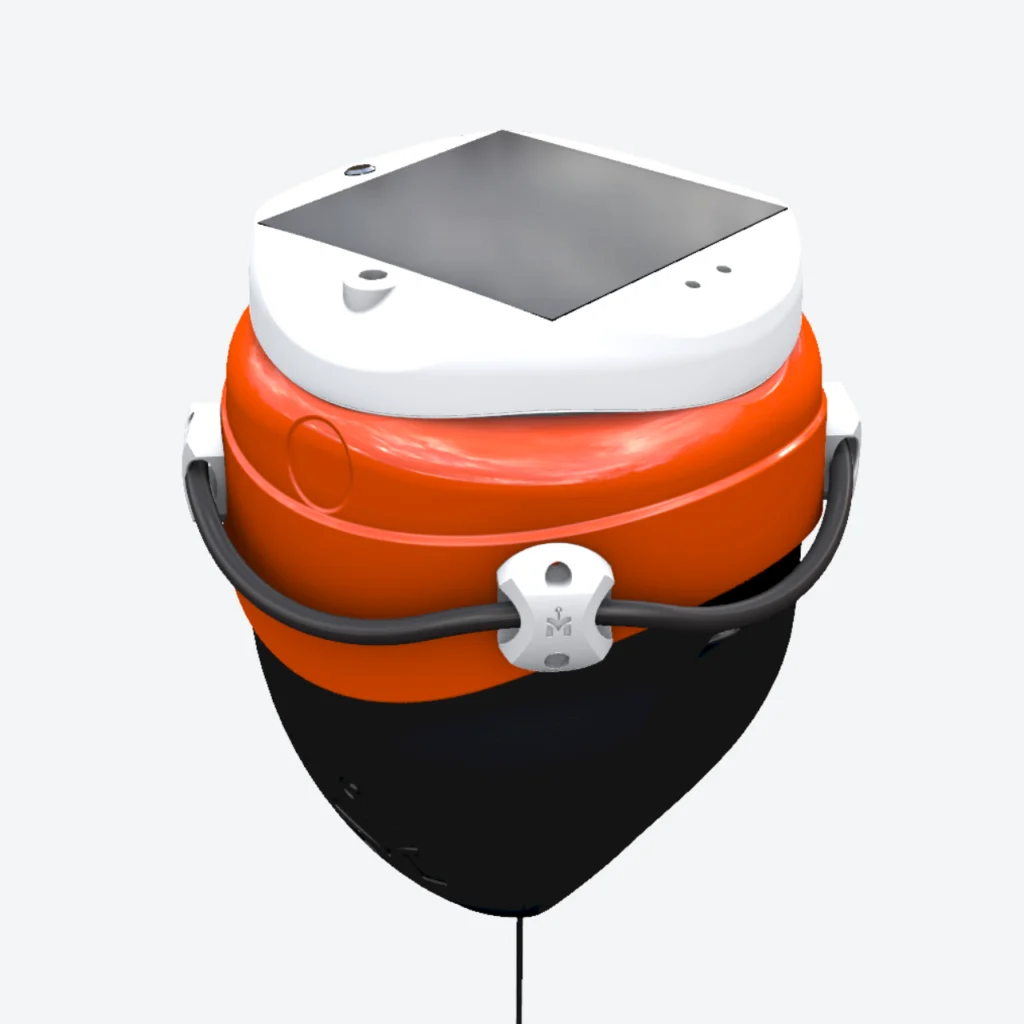
The Morphéis smart anchor buoy, developed by Mooring Solution, attaches directly to the anchor line before deployment.
Once the anchor is dropped, the buoy remains directly above it and tracks its position.
If the anchor begins to move even a few metres across the seabed, the system immediately sends an alert.
Because the system monitors the anchor rather than the boat, normal swinging motion does not trigger false alarms.
You can learn more about how the system works here: