
The 7 Common Causes of Anchor Dragging Every Boater Should Know
Every boater who anchors regularly has experienced the same moment of doubt.
You approach the anchorage carefully, drop the anchor into the wind, deploy the correct amount of chain, and gently reverse to make sure it sets properly. Everything appears secure.
But later in the evening the wind shifts, a squall moves through, or the tide changes direction. Suddenly you find yourself wondering:
Is my anchor still holding?
Even when anchoring is done correctly, anchors can occasionally drag. Understanding the most common causes of anchor dragging can help you reduce the risk and respond quickly if conditions change.
If you’re new to anchoring or want a full step-by-step guide, you can also read our article on How to Anchor Safely Overnight.
7 Common Causes of Anchor Dragging
1. Not Enough Anchor Scope
One of the most common causes of anchor dragging is insufficient scope.
Scope refers to the ratio between the water depth and the length of anchor chain deployed.
Anchors hold best when the chain pulls horizontally along the seabed, allowing the anchor to dig in deeply.
Typical scope guidelines include:
- 3:1 scope in calm conditions
- 5:1 scope in moderate wind
- 7:1 scope or greater for overnight anchoring or stronger winds
If too little chain is deployed, the anchor may experience a more vertical pull and can break free from the seabed more easily.
2. The Anchor Was Never Properly Set
Sometimes anchors drag simply because they were never fully set.
A proper anchor set requires slowly reversing the boat once the anchor reaches the seabed, allowing the flukes to dig in under load.
If this step is skipped or rushed, the anchor may only be resting on the seabed rather than properly embedded.
When wind or current increases, the anchor may begin dragging almost immediately.
3. Sudden Wind Shifts
Wind shifts are a major cause of anchor dragging.
When the wind direction changes significantly, the boat swings around the anchor and begins pulling from a new direction.
This movement can cause the anchor to break free from the seabed, particularly if the anchor struggles to reset after being pulled out.
Modern anchor designs often reset quickly, but not all anchors perform equally in these situations.
4. Poor Seabed Conditions
Not all seabeds provide strong holding power. It’s always best to dive on your anchor to see exactly what you are holding in.
Anchors typically perform best in:
- sand
- firm mud
- clay
They may struggle in conditions such as:
- heavy sea grass
- rocky seabeds
- loose weed
- coral
In these environments, even a well-set anchor may have difficulty digging deeply enough to hold against strong loads.
5. The Anchor Gets Fouled
Sometimes the anchor becomes caught on debris rather than digging into the seabed.
Common examples include:
- old mooring chains
- fishing nets
- rocks or coral
- dense seaweed
An anchor that becomes fouled may initially appear secure but can lose holding power once wind or wave loads increase.
6. Stronger Weather Than Expected
Weather forecasts are not always perfect.
An anchorage that feels calm in the afternoon may experience significantly stronger winds overnight if a weather system moves through.
When wind speeds increase suddenly, the load placed on the anchor system increases dramatically.
In extreme cases, even properly set anchors can begin dragging under these conditions.
7. Shock Loads on the Anchor Chain
Gusty winds or wave action can create sudden tension on the anchor chain known as shock loads.
These sudden pulls can momentarily lift the anchor or cause it to break free from the seabed.
This is one reason many experienced sailors use snubbers or bridles to absorb shock loads and reduce strain on the anchor system.
If you’d like to learn more about building a reliable anchoring setup, see our guide to The Complete Boat Anchoring Setup.
Why Anchor Dragging is So Difficult to Detect
Even when you understand the causes of anchor dragging, detecting it early can still be difficult.
Many boaters rely on visual cues such as:
- checking fixed reference points on land
- watching nearby boats
- monitoring GPS tracks on their chartplotter
These methods can help, but they all share one major limitation.
They rely on monitoring the movement of the boat.
But boats naturally move while anchored. Wind shifts, tidal currents, and chain stretch can all cause the boat to swing within a wide radius.
This makes it difficult to determine whether the anchor is actually dragging or the boat is simply swinging normally.
If you want to learn the warning signs to look for, see our article on How to Tell If Your Anchor Is Dragging.
The Smarter Way to Detect Anchor Dragging
Traditional anchor alarms attempt to solve this problem by monitoring the boat’s GPS position. However, as explained in our guide to Anchor Alarms Explained, these systems often produce false alerts because they track the boat rather than the anchor itself.
A more reliable approach is to monitor the anchor itself.
If the anchor remains fixed in the seabed, there is no reason to worry. If the anchor begins moving across the seabed, that is the moment you need to know.
Modern anchor monitoring technology makes this possible.
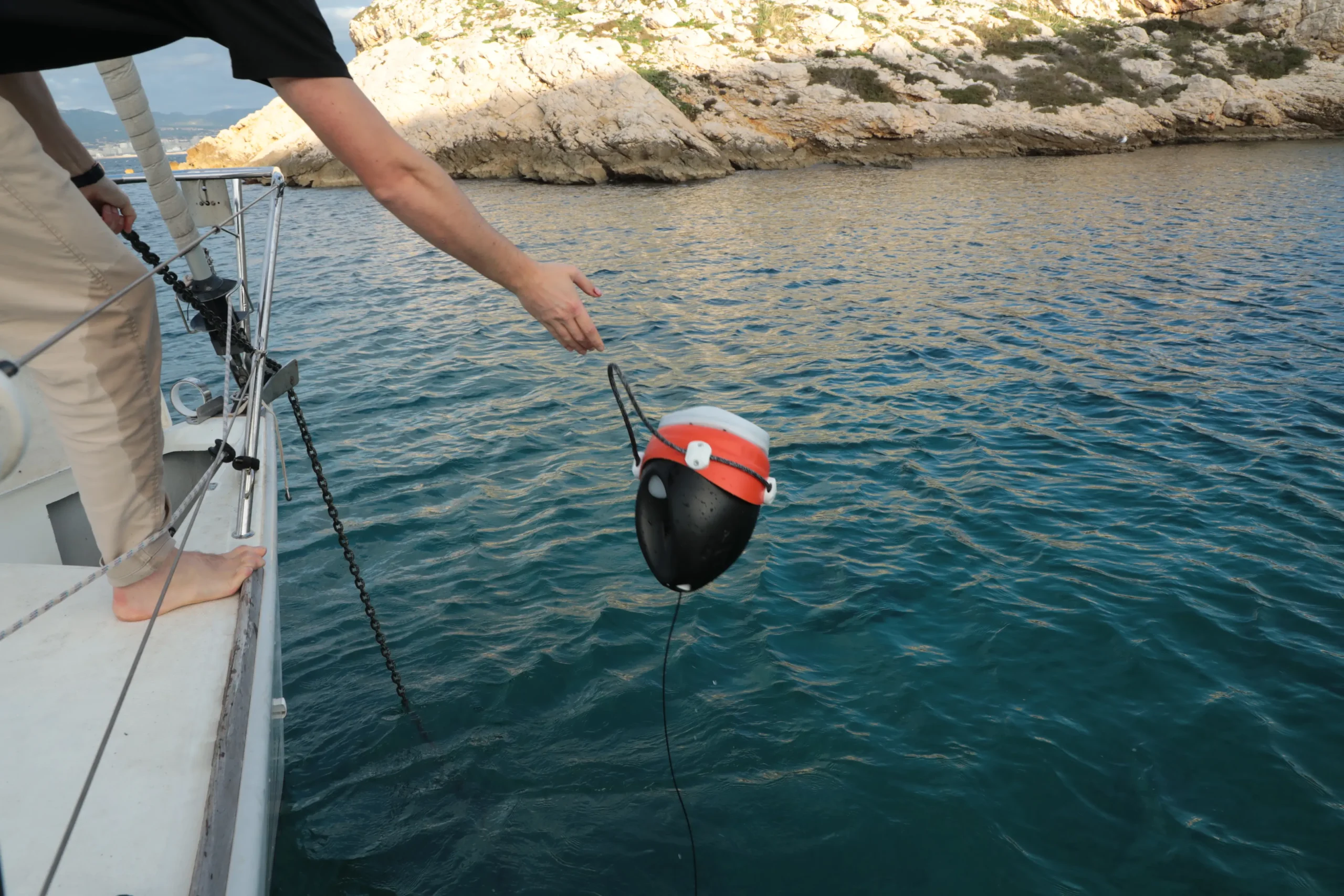
The Morphéis smart anchor buoy, developed by Mooring Solution, attaches directly to the anchor line before deployment.
Once the anchor is dropped, the buoy remains directly above it and tracks its position.
If the anchor begins to move even a few metres across the seabed, the system immediately sends an alert.
Because the system monitors the anchor rather than the boat, normal swinging motion does not trigger false alarms.
You can learn more about how the system works here: SHOP NOW
Morphéis: The Smart Anchor Buoy
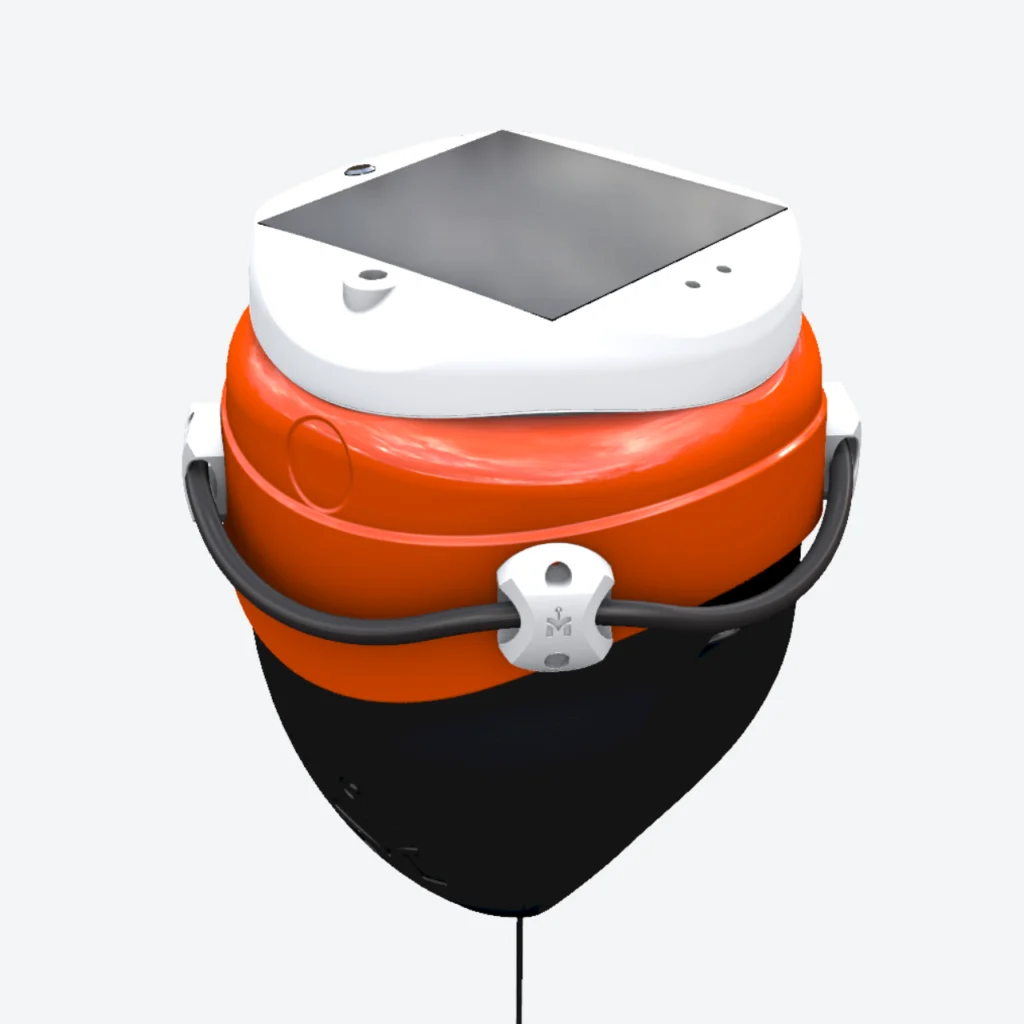
The Morphéis smart anchor buoy, developed by Mooring Solution, attaches directly to the anchor line before deployment.
Once the anchor is dropped, the buoy remains directly above it and tracks its position.
If the anchor begins to move even a few metres across the seabed, the system immediately sends an alert.
Because the system monitors the anchor rather than the boat, normal swinging motion does not trigger false alarms.
You can learn more about how the system works here: