
Anchor Alarm Explained

Why Every Boater Needs One (And Why Most People Hate Them)
Anchoring overnight should be one of the most relaxing parts of boating. You find a sheltered bay, drop the anchor, set your chain, and settle in for the evening.But every experienced boater knows the lingering concern that comes with anchoring: what if the anchor starts dragging?
A dragging anchor can quickly turn a peaceful night into a stressful situation. Wind shifts, seabed conditions, or tidal changes can cause the anchor to lose its grip, allowing the boat to drift.
That is why many boaters rely on an anchor alarm. These systems are designed to alert you if your vessel moves unexpectedly while anchored. In theory, anchor alarms provide peace of mind. In reality, many sailors find them frustrating, unreliable, and prone to constant false alerts.
The problem is not that anchor alarms are useless. The problem is that most of them monitor the wrong thing.
Why Boaters Use Anchor Alarms
For many cruising sailors and motorboat owners, an anchor alarm is considered essential safety equipment. Boaters use anchor alarms for several reasons:
Sleeping Safely at Anchor
When staying overnight in an anchorage, it is important to know if your boat begins to drift. An anchor alarm can alert you before a small movement becomes a serious problem.
Wind and Weather Changes
Wind shifts are one of the most common causes of anchor dragging. An anchor alarm provides early warning if the boat moves unexpectedly.
Crowded Anchorages
In popular cruising destinations, boats are often anchored close together. If your anchor drags, the risk of collision increases significantly.
Leaving the Boat Unattended
Some anchor alarms allow remote alerts so you can leave the boat while still monitoring its position.
For these reasons, anchor alarms have become a common feature in modern boating electronics.
How Traditional Anchor Alarms Work
Most anchor alarms rely on GPS position monitoring. The system works by recording the boat’s position when the anchor is set. It then creates a virtual boundary around that point. If the boat moves outside this boundary, the system triggers an alarm. This boundary is often referred to as an anchor watch circle.
Many systems allow users to adjust the radius of this circle to reduce unnecessary alerts. However, this approach introduces its own challenges.The fundamental issue is simple: boats rarely stay in one position while anchored.
Why So Many Boaters Hate Anchor Alarms
Ask experienced cruisers about anchor alarms and you will often hear the same complaints.
Many sailors eventually stop using them altogether.
Here are the main reasons why.
Boats Naturally Swing at Anchor
When a boat is anchored, it rarely sits still.
Wind direction, current, and tidal changes cause the vessel to swing around the anchor.
For example, if you deploy 50 metres of chain in 8 metres of water, the boat may swing in a large arc around the anchor point.
Even when the anchor is holding perfectly, the boat may move tens of metres from its original position.
A GPS anchor alarm may interpret this perfectly normal movement as dragging.
The result is constant alerts even when nothing is wrong.
GPS Drift and Inaccuracy
Consumer GPS systems are highly accurate but not perfect.
Position readings can drift by several metres depending on satellite conditions and environmental factors.
When combined with a swinging boat, this drift can easily trigger alarms.
Even a small variation in GPS position can make the system think the boat has moved outside its safe zone.
Smartphone Anchor Alarm Apps
Many boaters use smartphone apps as anchor alarms.
These apps can be convenient, but they introduce additional issues.
Common problems include:
- phones running out of battery overnight
- apps closing or crashing
- poor GPS reception inside the cabin
- subscription fees for premium features
Leaving a phone running continuously overnight is not always practical, especially on longer cruising trips.
Chartplotter Anchor Alarms
Most modern chartplotters include built-in anchor alarm features.
These systems are generally more reliable than smartphone apps, but they still rely on the same basic concept.
They monitor the GPS position of the boat.
This means they still suffer from the same limitations caused by swinging vessels and GPS drift.
The Real Problem: Monitoring the Boat Instead of the Anchor
Traditional anchor alarms monitor boat movement. But boats are supposed to move while anchored.
A boat swinging in response to wind or current is completely normal. What truly matters is whether the anchor itself is moving across the seabed.
If the anchor remains firmly set, the boat can swing freely without any real danger. This is why many sailors experience constant false alarms when using traditional GPS anchor alarms.
The system is reacting to normal behaviour rather than detecting actual anchor movement.
Smarter Approach to Anchor Monitoring
A more effective approach is to monitor the position of the anchor itself rather than the boat. This concept eliminates the core problem that causes most false alerts.
Instead of tracking the vessel’s GPS position, a smart anchor monitoring system detects whether the anchor has actually moved.
If the anchor remains fixed in the seabed, the system remains silent.
If the anchor begins to drag, the system triggers an immediate alert.
This approach provides much more accurate anchor monitoring.
How Smart Anchor Buoys Work
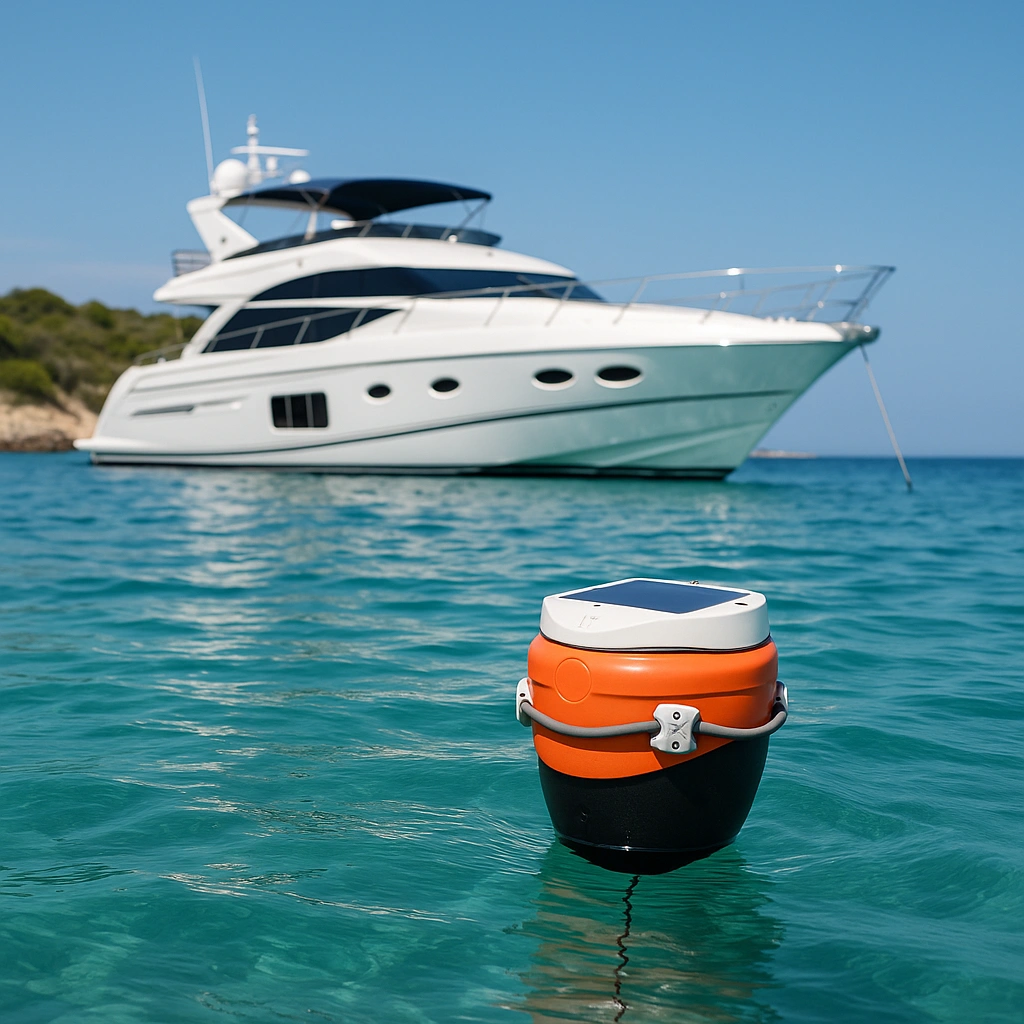
Modern anchor monitoring technology uses floating devices attached directly to the anchor line.
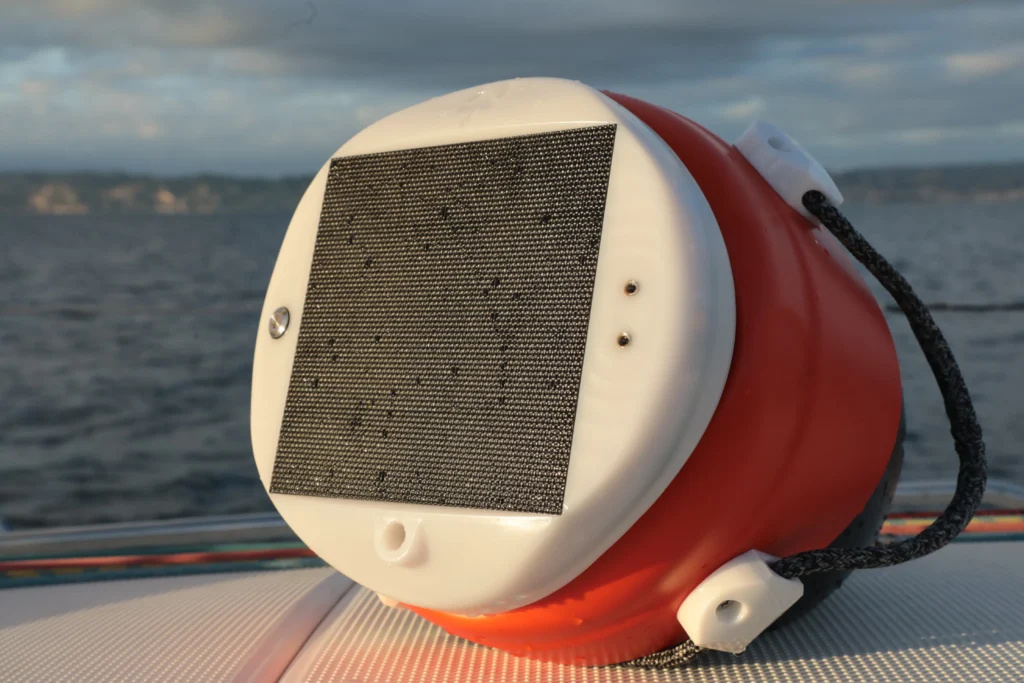
One example is the Morphéis smart anchor buoy, developed by Mooring Solution.
The buoy is connected to the anchor when it is deployed. As the anchor drops to the seabed, the buoy remains on the surface directly above it.
From that position, the system monitors the anchor’s exact location.
If the anchor begins to move across the seabed, the system detects the movement immediately and sends an alert.
Because the system tracks the anchor itself rather than the boat, normal swinging motion does not trigger unnecessary alarms.
You can learn more about how the system works on the official product page:
Why Monitoring the Anchor Makes More Sense
Tracking the anchor instead of the boat solves many of the problems associated with traditional anchor alarms.
Key advantages include:
Fewer False Alerts
Since the system monitors the anchor directly, normal boat movement does not trigger alarms.
Greater Accuracy
The system detects real anchor movement rather than interpreting GPS position changes.
Independent Operation
A dedicated anchor monitoring system can operate independently of smartphones or onboard electronics.
Improved Peace of Mind
Boaters can sleep more comfortably knowing the system will alert them only if the anchor actually begins to drag.
The Future of Anchor Safety
As boating technology evolves, sailors are increasingly looking for solutions that improve safety without adding complexity.
Traditional anchor alarms remain useful tools, but many cruisers are frustrated with systems that produce frequent false alerts.
By focusing on the anchor itself rather than the boat’s GPS position, modern monitoring systems offer a more reliable way to detect anchor dragging.
Innovations like the Morphéis anchor buoy are part of a broader shift toward smarter, more accurate anchoring technology.
Final Thoughts
An anchor alarm can be a valuable tool for any boater who spends time at anchor.
However, many traditional systems rely on GPS monitoring of the boat, which often leads to false alerts and unreliable performance.
The key to better anchor monitoring is simple: track the anchor itself, not the boat.
As new technologies emerge, boaters now have access to smarter solutions that offer greater accuracy and improved peace of mind while anchored