

The Complete Boat Anchoring Setup: Essential Gear for Every Boater
Boat anchoring setup is one of the most important aspects of safe and confident boating. Whether you’re cruising the Mediterranean, exploring coastal bays, or spending nights aboard your boat, having the right anchoring system in place plays a critical role in ensuring both safety and peace of mind.
A reliable anchoring system is not just about choosing a good anchor. It is a combination of several components working together: the anchor itself, the chain and rode, shock absorption systems, communication between crew, and increasingly, modern monitoring technology.
When all of these elements work together correctly, anchoring becomes simple and stress-free. When one component fails, however, it can quickly turn into one of the most stressful situations a boater can face.
This guide walks through the essential components that make up a complete and reliable boat anchoring setup.
Boat Anchoring Setup in 7 Steps
1. Choosing the Right Anchor
The anchor itself is the foundation of the entire system. Modern anchor designs have improved significantly over the years, offering better holding power and faster setting characteristics.
Some of the most common anchor styles used by cruising boats include:
Plow Anchors
Plow anchors are one of the most traditional designs and have been widely used for decades. They perform well in many seabed conditions but can sometimes struggle to reset after a wind shift.
Scoop Anchors
Scoop-style anchors are one of the most popular modern designs. These anchors feature a large concave fluke that allows them to dig deeply into the seabed.
Several well-known manufacturers produce scoop anchors, including:
- Rocna Anchors
- Mantus Anchors
These anchors are known for strong holding power and quick setting performance.
2. Anchor Materials: Galvanized vs Stainless vs Aluminium
Anchors are typically built using one of three materials.
Galvanized Steel
Galvanized anchors are the most common option. They are durable, relatively affordable, and resistant to corrosion.
For many boaters, a galvanized anchor offers the best balance of performance and cost.
Stainless Steel
Stainless steel anchors are popular among boat owners who prioritise aesthetics and corrosion resistance.
They can be significantly more expensive than galvanized anchors but often maintain their appearance over time.
Aluminium Anchors
Aluminium anchors are lightweight and easy to handle. They are commonly used as backup anchors or for boats where weight is a concern.
However, they may not always provide the same holding characteristics as heavier steel anchors in certain seabed conditions.
3. Anchor Chain and Rode
The anchor chain connects the anchor to the boat and plays a critical role in the performance of the entire system.
Many cruising boats rely on all-chain anchor rodes, which provide several advantages:
- increased weight to help keep the anchor flat on the seabed
- improved abrasion resistance
- stronger connection between the boat and anchor
The length of chain carried onboard often depends on where the boat is cruising.
For example:
- In parts of the Carribbean, anchoring may commonly occur in depths of 2–3 metres.
- In areas such as Greece or Turkey, it is not unusual to anchor in depths of 15–20 metres.
Because of this, many experienced cruisers prefer to carry as much chain as possible. Longer chain allows greater flexibility when anchoring in deeper water.
4. Connecting Chain and Rope Rode
Some anchoring setups combine chain with rope rode.
This can reduce weight while still providing strong anchoring performance.
However, the connection between chain and rope must be done correctly. Common solutions include:
- spliced rope-to-chain connections
- high-strength shackles or connectors
- specialised chain connectors designed for windlasses
A poorly connected rode can become a weak point in the anchoring system, so ensuring a secure connection is essential.
5. Snubbers and Bridles
Snubbers and bridles are used to absorb shock loads that occur while a boat is anchored.
Without them, sudden wind gusts or waves can place significant strain on the anchor chain and windlass.
A snubber is typically a length of nylon rope attached to the chain and secured to the boat.
Its elasticity helps absorb shock loads, reducing stress on:
- the windlass
- deck hardware
- the anchor chain itself
Catamarans and some larger vessels often use bridles, which attach to two points on the bow to distribute the load more evenly.
Using a snubber or bridle is one of the simplest ways to improve the durability and safety of your anchoring setup.
6. Communication Between Crew
Anchoring is often a two-person task.
One person operates the helm while the other manages the anchor at the bow. Clear communication between the two is essential.
In windy conditions or busy anchorages, shouting between the bow and helm can quickly become difficult.
Some boaters use headsets or wireless intercom systems to communicate during anchoring.
These systems allow crew members to speak clearly without raising their voices, which can be particularly helpful when anchoring early in the morning or late at night.
Even without technology, establishing clear hand signals can make the anchoring process much smoother.
Common signals include:
- how much chain has been deployed
- when to stop the boat
- when to reverse to set the anchor
- when to move forward while retrieving the anchor
Simple communication methods can dramatically reduce confusion during anchoring.
7. Anchor Monitoring Systems
Even with a perfect anchoring setup, one major uncertainty always remains. Once the anchor is set and the boat is sitting quietly at anchor, no one can actually see what the anchor is doing beneath the water. For years, many boaters have relied on anchor alarm apps or chartplotter alarms to monitor their position.
These systems typically work by tracking the boat’s GPS position and triggering an alert if the vessel moves outside a predefined circle. However, because boats naturally swing around the anchor due to wind and current, these alarms often produce false alerts.
A more reliable approach is to monitor the anchor itself rather than the boat. This is where modern anchor monitoring systems come into play.
How Morphéis smart anchor buoy work?
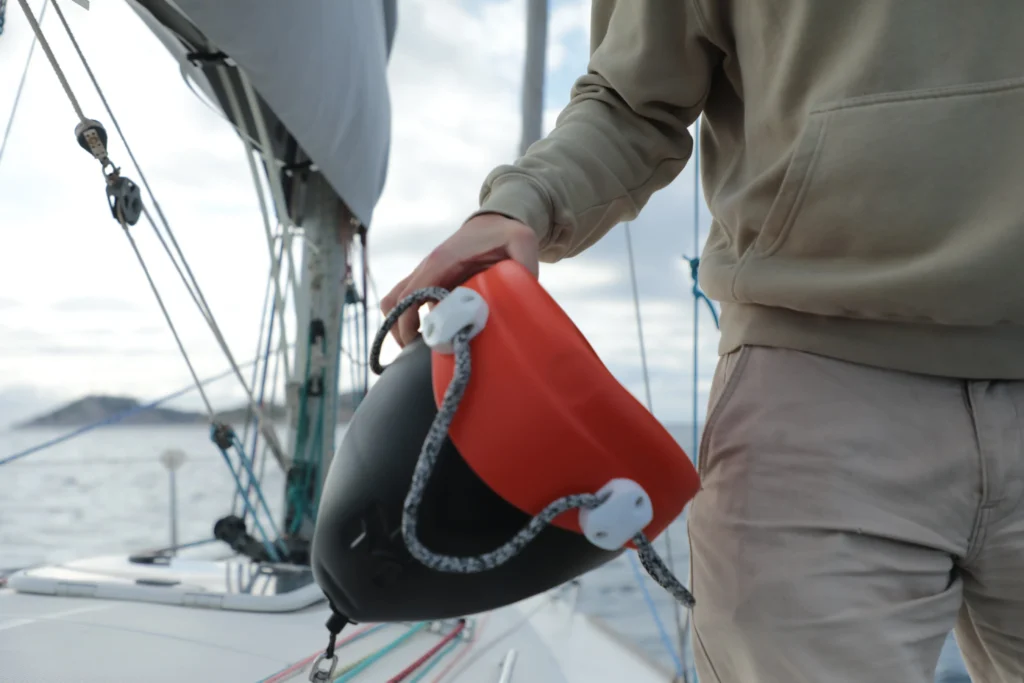
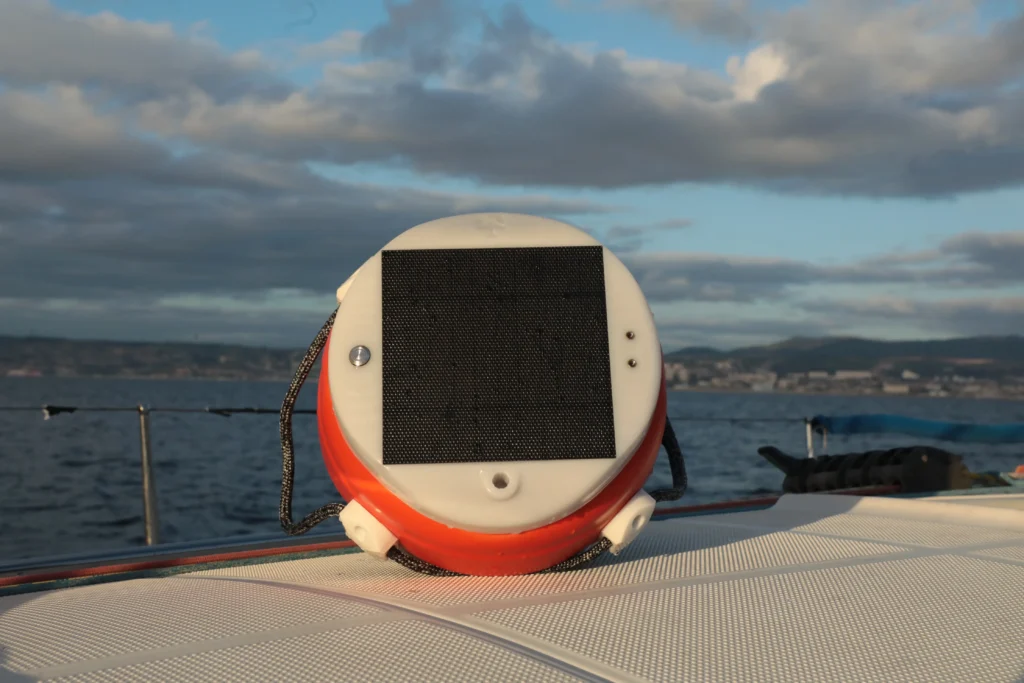
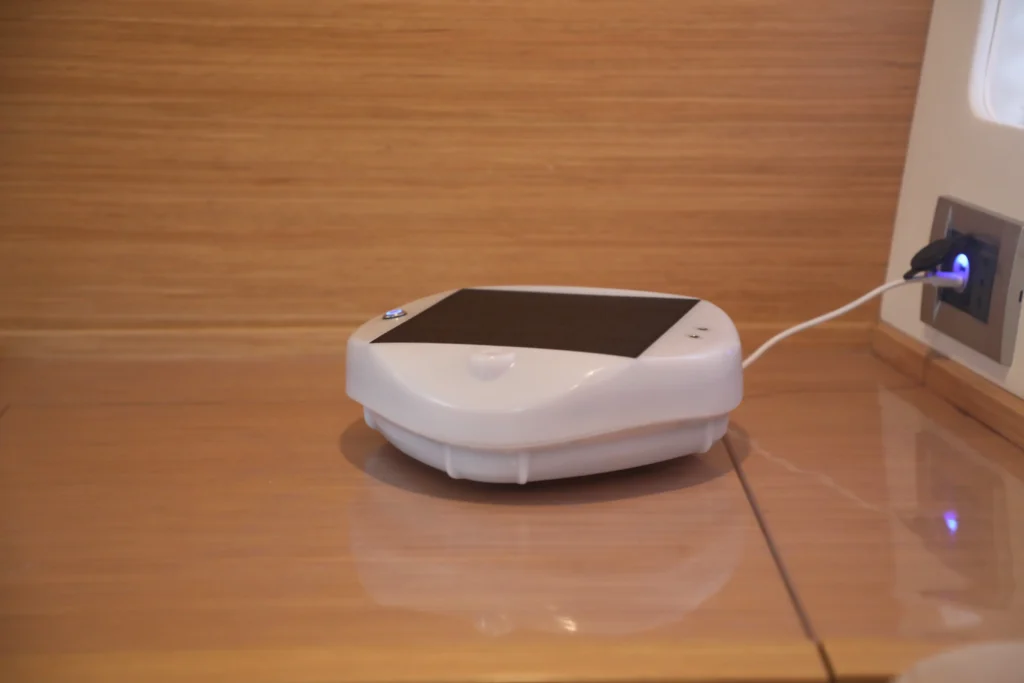
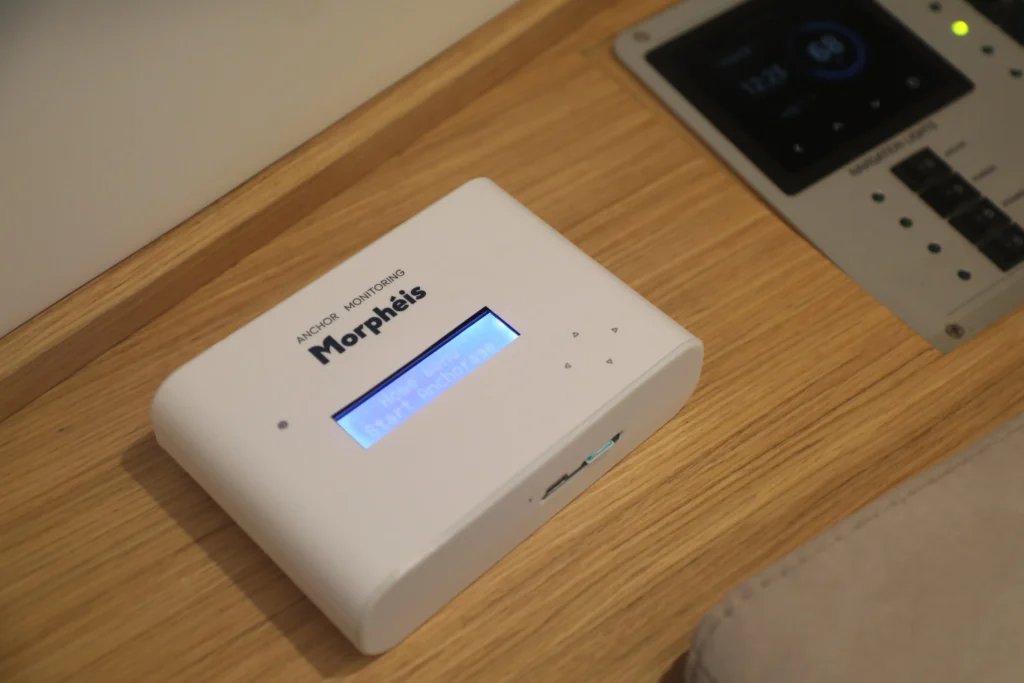
The Morphéis smart anchor buoy, developed by Mooring Solution, is designed specifically for this purpose.
Before deploying the anchor, the buoy is attached to the anchor line and placed in the water. As the anchor drops to the seabed, the buoy remains directly above it and begins tracking its position.
If the anchor begins to move across the seabed, the system immediately sends an alert.
Because the system monitors the anchor rather than the boat, normal swinging motion does not trigger unnecessary alarms.
You can learn more about how this anchor monitoring system works here: How Morphéis work?
Building the Perfect Anchoring System
A reliable anchoring setup combines several components working together.
- The anchor must be suitable for the boat and seabed conditions.
- The chain and rode must provide the correct scope and strength.
- Snubbers and bridles reduce shock loads and protect the boat’s hardware.
- Clear communication between crew ensures the anchor is deployed correctly.
- Finally, modern anchor monitoring technology provides peace of mind by confirming that the anchor itself is holding.
When all of these elements work together, anchoring becomes far less stressful and far more enjoyable.
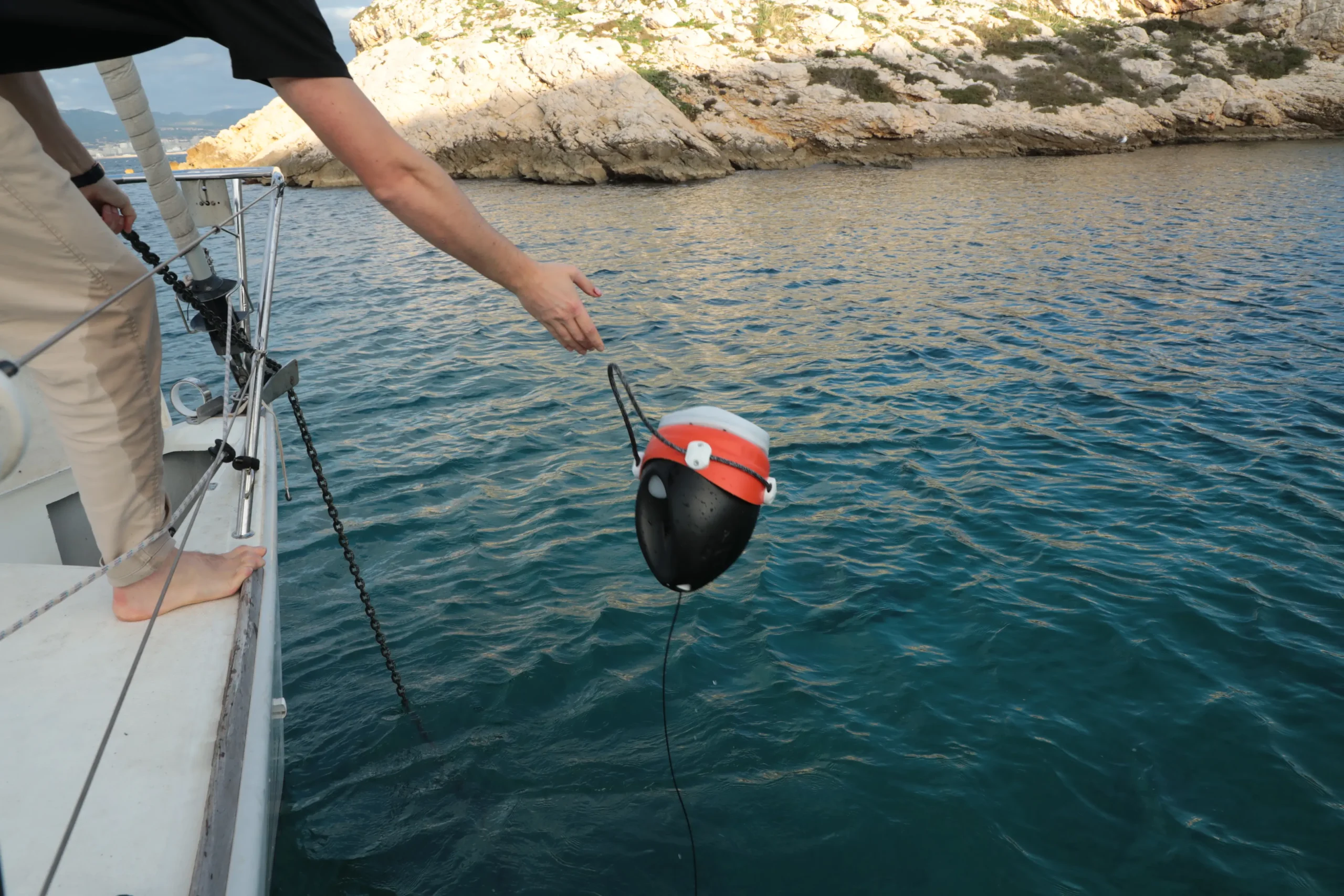
Anchor With Confidence
Anchoring should allow you to relax, enjoy the surroundings, and sleep comfortably overnight.
By investing in the right anchoring gear and adopting good anchoring practices, boaters can dramatically reduce the risk of dragging anchor.
And with modern anchor monitoring systems like Morphéis now available, it is easier than ever to know exactly what your anchor is doing beneath the water.
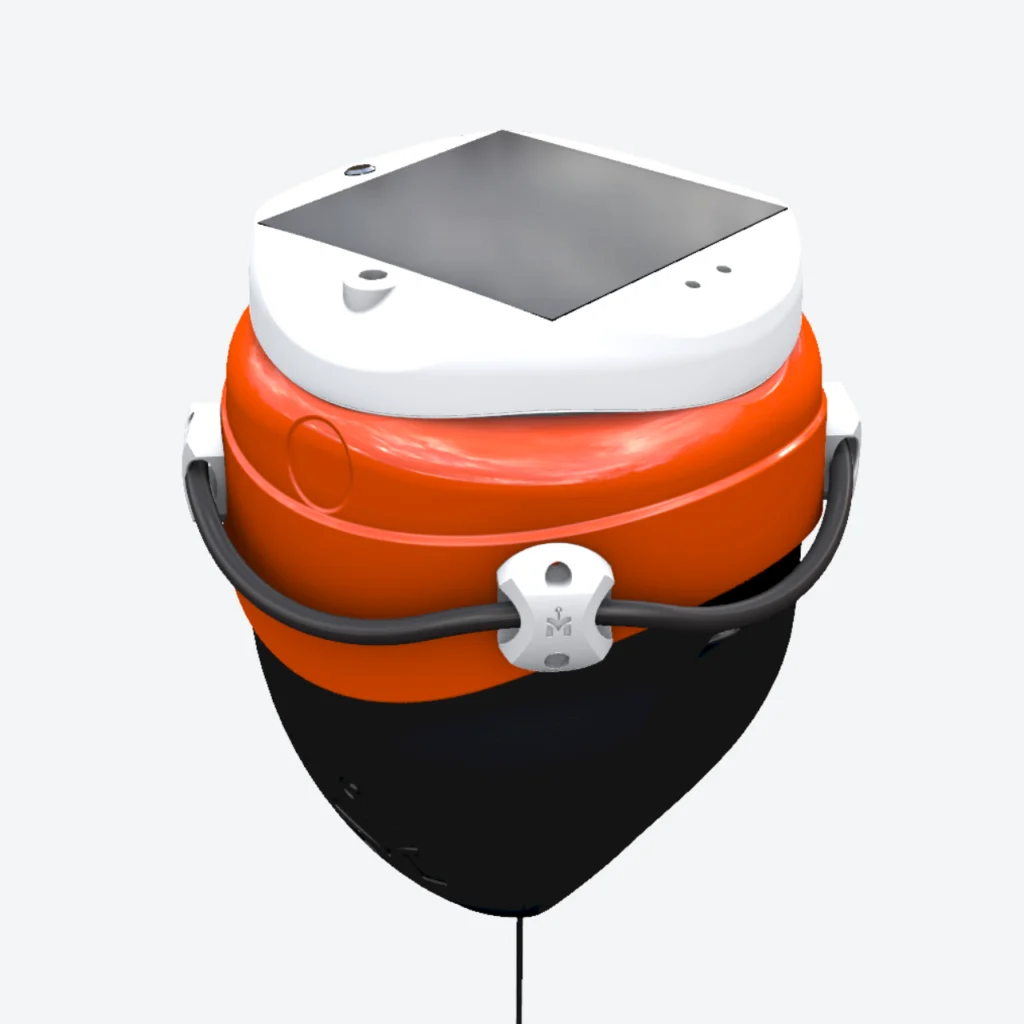
Morphéis: The Smart Anchor Buoy
The Morphéis smart anchor buoy, developed by Mooring Solution, attaches directly to the anchor line before deployment.
Once the anchor is dropped, the buoy remains directly above it and tracks its position.
If the anchor begins to move even a few metres across the seabed, the system immediately sends an alert.
Because the system monitors the anchor rather than the boat, normal swinging motion does not trigger false alarms.
You can learn more about how the system works here: